Vegetarian keto keeps carbohydrates very low, usually in the 20 to 50 grams of net carbs per day range, and asks fat and moderate protein to do the rest. The hard part is doing that without defaulting to a meat-based template, because the usual vegetarian stand-ins, beans, grains, smoothies, and processed faux meats, can blow up the carb count fast.
What vegetarian keto actually asks of you
The basic keto rule stays the same here. Clinical trials and popular keto versions generally keep daily carbohydrates below 50 grams, with most of that coming from non-starchy vegetables, UC Davis Nutrition says. Medical and nutrition references commonly describe keto the same way, which is why vegetarian keto succeeds or fails on carb math, not on whether the plate looks “healthy.”
Keto was originally developed to help manage seizures in children with epilepsy. UChicago Medicine tracks the later surge in public interest, especially by 2018. Harvard Health has warned that keto may not be a fit for everyone, and a 2021 Frontiers in Nutrition review said ketogenic diets should be considered carefully because of possible adverse effects and uncertain long-term outcomes.
The protein and fat anchors that make it workable
If you are skipping meat, protein has to come from foods that actually pull their weight. The practical staples are eggs, Greek yogurt, cottage cheese, ricotta, hard cheeses, tofu, and tempeh, with seitan as a possible option if your carb tolerance allows it.
Fat is the other half of the equation, and the best sources are the ones that fit cleanly into a low-carb day: avocados, olives, olive oil, coconut oil, nuts, seeds, chia seeds, flaxseed, macadamias, and nut butters. The most usable vegetarian keto meals usually pair one of those fats with a real protein source and a non-starchy vegetable, instead of leaning on packaged snacks that only pretend to be keto.
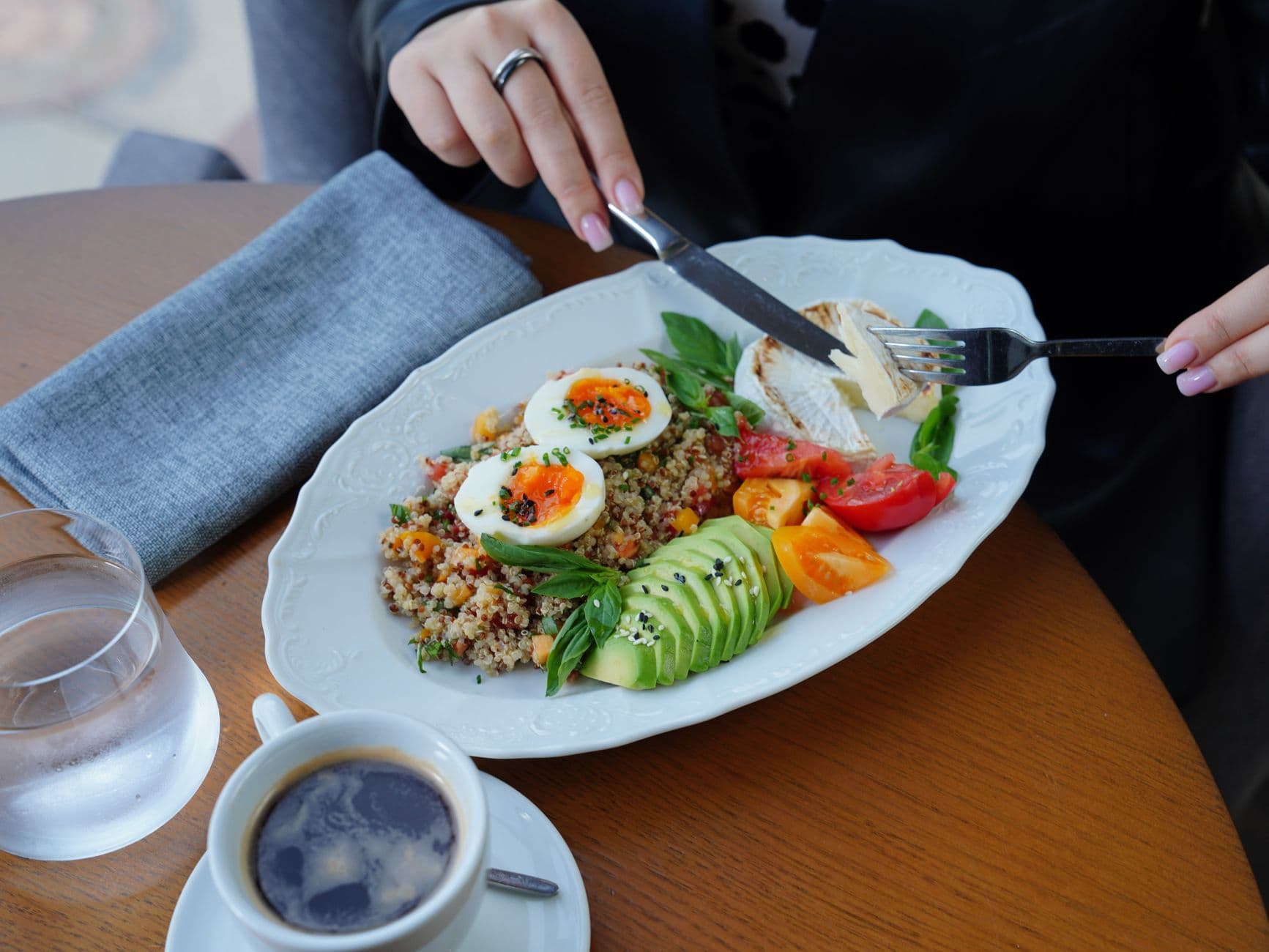
A simple plate formula helps: protein first, fat second, vegetables third. Think eggs with sautéed mushrooms and avocado, tofu with cauliflower rice and olive oil, or Greek yogurt with chia and nuts if your carb budget can handle dairy that day. That pattern keeps you from rebuilding vegetarian eating around bread, rice, or pasta substitutes you no longer have room for.
The low-carb vegetables that keep the plan livable
Vegetarian keto gets a lot easier when you stop treating vegetables as an afterthought. Leafy greens, zucchini, cauliflower, broccoli, asparagus, mushrooms, cucumbers, and bell peppers give you volume, fiber, and enough texture to keep meals from feeling like a pile of fat. They also help you stay inside the low-carb range that makes ketosis possible in the first place.
A salad built on greens and cucumber is one thing; a bowl that quietly drifts into roasted potatoes, sweet corn, or a giant serving of starchy squash is something else entirely.
The carb traps that break vegetarian keto
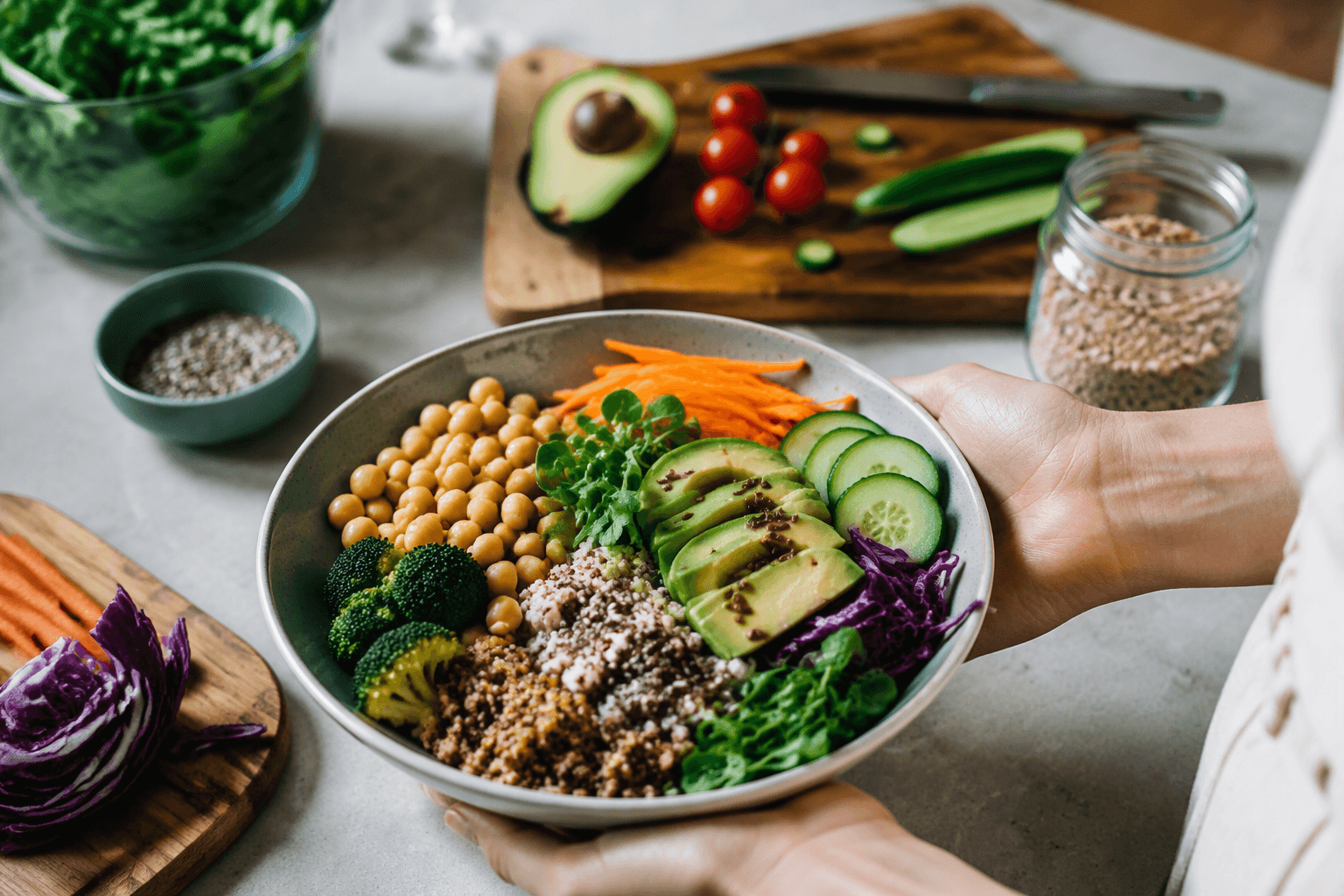
The biggest mistakes are the obvious ones, and they are easy to rationalize because they are common vegetarian foods. Beans, lentils, chickpeas, most grains, starchy vegetables, fruit-heavy smoothies, and many meat substitutes marketed as healthy can push you out of the usual keto range before lunch. If a product needs a long ingredient list to mimic meat, check it twice for added starches and sugars.
Vegetarian keto does not fail because you ate spinach with eggs, it fails because the “just one serving” of lentil soup, oat bowl, or high-carb meat alternative keeps replacing the protein anchor you actually needed. Once that happens, the day can still look clean on the surface while the carb count has already crossed the line.
The nutrients that deserve real attention
It can run too low in protein if you lean too heavily on cheese and oils while underusing tofu, eggs, and dairy. It can also come up short on iron, vitamin B12, zinc, omega-3 fats, calcium, and vitamin D, especially if dairy intake is limited.
Harvard Health and Mayo Clinic both stress that vegetarian diets need close attention to protein, calcium, vitamin B12, vitamin D, iron, zinc, and omega-3s.
How to tell whether you are actually staying keto
The cleanest check is the boring one: count the carbs honestly, and keep them under the usual keto ceiling. If your day is built around eggs, tofu, dairy, avocados, olives, nuts, seeds, and non-starchy vegetables, you are working with the right food categories. If your day keeps drifting toward lentils, chickpeas, grains, smoothies, and processed “keto” snacks, you are probably not in the zone you think you are.
It also helps to watch the fat quality. Vegetarian keto is not automatically healthy just because it is meatless. A plate built mostly on olive oil, nuts, seeds, and avocado looks very different from one built on processed snack foods and endless cheese, and the first version is the one that actually supports the diet instead of just imitating it.
Mayo Clinic’s 2022 diet guidance framed keto as a high-fat, very-low-carbohydrate pattern and asked whether loading up on high-fat foods is healthy, while Mayo Clinic Community Health wrote in 2023 that the diet was heavily marketed as a short-term weight-loss approach.
Every story on Keto Diet Magazine is assembled by an automated editorial system that works from verified research, official records, and credible reporting, then clears automated accuracy and moderation checks before it goes live. The standards that system follows are set and overseen by the people who run the publication. Read our full editorial policy.
Did this article answer your question?