Cottage cheese keto pancakes deliver 17 grams of protein per serving
Cottage cheese is the difference between a keto pancake that eats like breakfast and one that tastes like regret. This version lands fluffy, high-protein, and comfort-food close to the real thing.
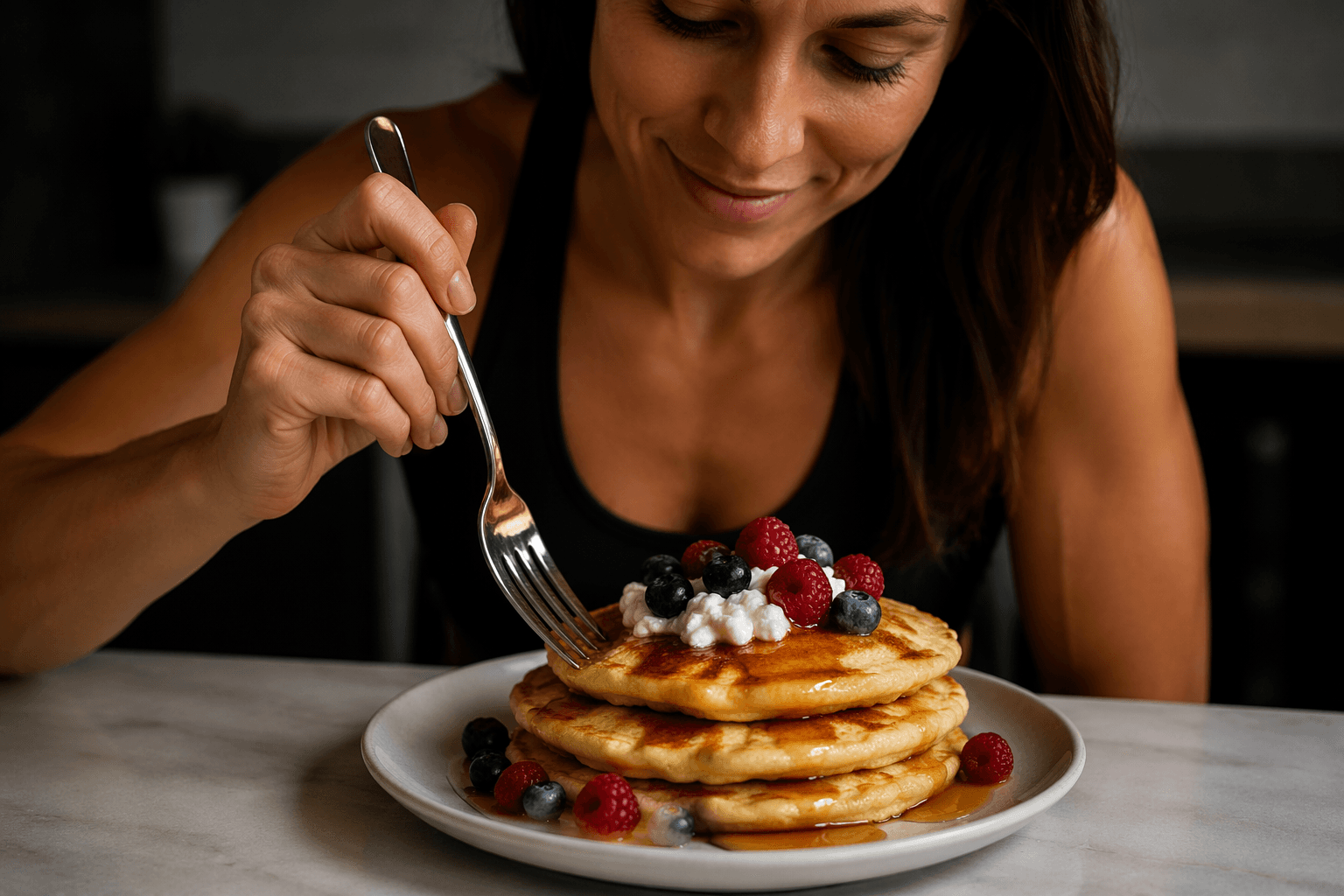
Annie Lampella, Pharm.D., built her July 1, 2026 cottage cheese pancakes to fix a common keto problem: low-carb versions that come out dry, dense, or so egg-forward they feel like breakfast is impersonating itself. The result is a recipe aimed at the most skeptical keto cook in the room: the one who wants better macros without giving up the feel of a real pancake.
The title promises 17 grams of protein per serving, and the recipe itself puts the focus on around 8.5 grams of protein per pancake.
Why cottage cheese changes everything
Blending cottage cheese makes the curds disappear into a smooth base, which is why it behaves so well in pancakes and other creamy recipes. Once it is blended, the cottage cheese stops acting like a chunky add-in and starts acting like structure, moisture, and protein all at once.
Keto pancake failures usually come from imbalance. Egg-heavy batters can turn rubbery or overly savory, while flour-light versions can dry out fast and need syrup just to survive the plate. Cottage cheese softens that edge, giving the batter a gentler texture and a slight tang.
The ingredient list stays practical
This recipe keeps the pantry list short and familiar: cottage cheese, almond flour or coconut flour, sugar-free sweetener, baking powder, eggs, melted butter, and vanilla extract. There is no elaborate protein powder blend trying to do too much, and no long chain of specialty ingredients that turns breakfast into a weekend project. It is a straightforward skillet recipe built from ingredients that already live in many keto kitchens.
Almond flour brings body, coconut flour offers another low-carb route, and the eggs and butter support richness without pushing the whole recipe into egg casserole territory. Vanilla and sugar-free sweetener keep the flavor profile squarely in pancake territory.
How to make the batter without ruining the texture
The method is as important as the ingredient list. First, the cottage cheese gets blended until smooth. Then the dry ingredients are whisked together, the wet and dry components are combined into batter, and the pancakes are cooked slowly so they set without burning. That low-and-patient approach helps the pancakes set and flip cleanly instead of falling apart before they make it to the plate.
This is the kind of batter that rewards restraint. Keto pancakes often break when the heat is too aggressive, especially when they lean on delicate ingredients instead of wheat flour. Annie Lampella’s approach makes patience part of the recipe itself, which is why the finished pancakes are more likely to hold together and brown evenly.
What the macro math looks like
KetoFocus lists a half cup of full-fat cottage cheese at about 12 grams of protein, roughly 110 calories, and about 4 grams of net carbs. That is a useful tradeoff for keto cooking, especially when protein is the difference between a meal that keeps you full and one that sends you back to the kitchen an hour later.
In moderation, cottage cheese is keto-friendly; larger portions raise carb intake. That makes the ingredient especially well suited to a recipe like this, where it is used as a functional base rather than the whole story.
How this fits the wider keto breakfast shift
The ketogenic diet is a low-carbohydrate, fat-rich eating plan used for centuries in medical contexts. Harvard Nutrition Source traces its modern recognition to its introduction as an epilepsy treatment in children in 1920. Harvard also traces the low-carb boom of the 1970s to the Atkins diet, which helped turn higher-protein eating into a mainstream obsession. True keto still skews toward about 70% to 80% fat with only moderate protein.
Cleveland Clinic’s ketogenic meal plan emphasizes lean protein, cheese, low-carb vegetables, and moderate fats as part of nutritional ketosis. Ketosis is often associated with decreased appetite.
How to serve them like a real breakfast
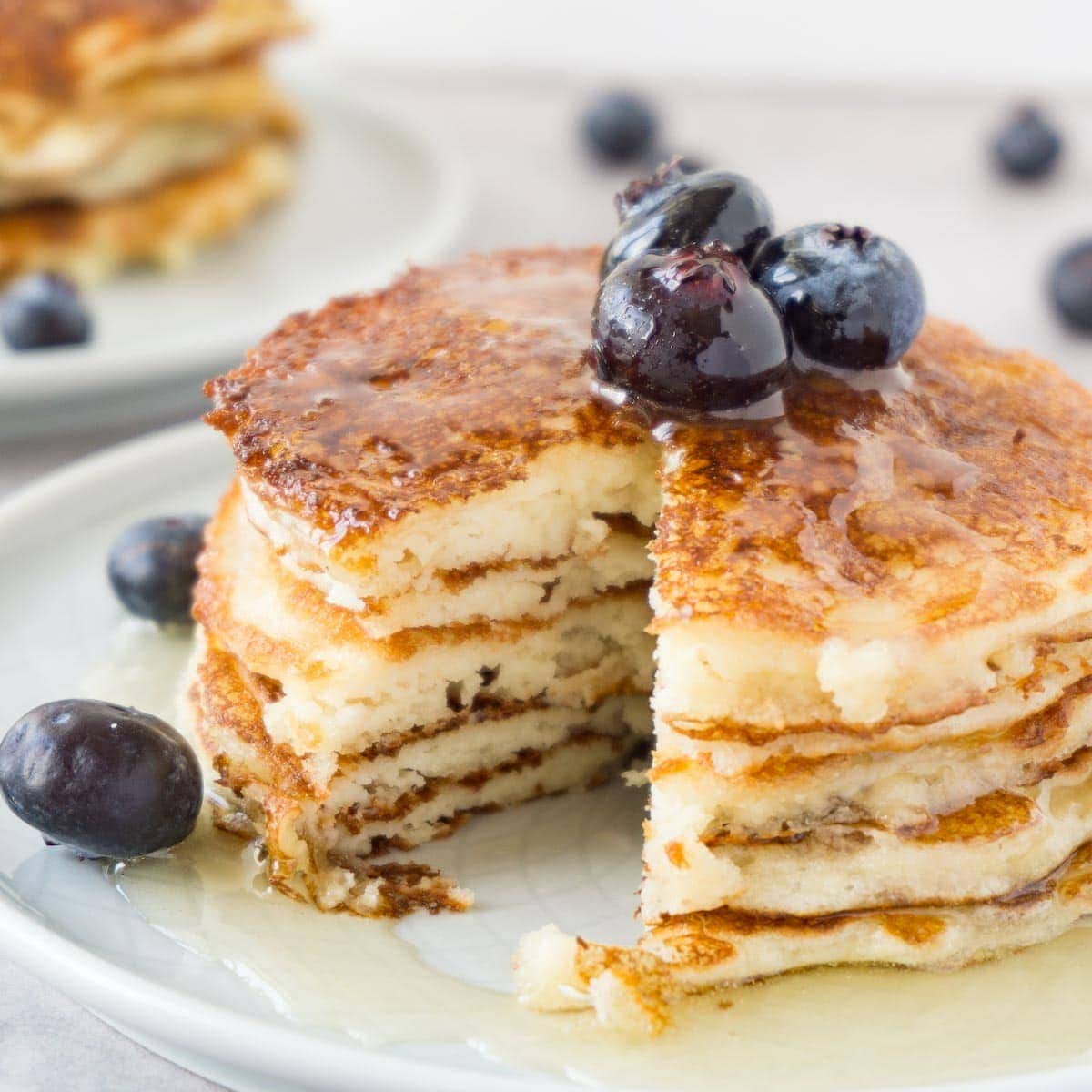
These pancakes are versatile enough for more than a strict macro calculation. Annie Lampella’s recipe pairs them with butter, sugar-free syrup, or berries, which keeps the stack in the comfort-food zone whether it is landing on a weekday plate or a weekend brunch table.
- Butter adds richness and keeps the pancakes from tasting too lean.
- Sugar-free syrup gives the familiar pancake finish without breaking the carb budget.
- Berries bring brightness and help the plate feel complete.
Every story on Keto Diet Magazine is assembled by an automated editorial system that works from verified research, official records, and credible reporting, then clears automated accuracy and moderation checks before it goes live. The standards that system follows are set and overseen by the people who run the publication. Read our full editorial policy.
Did this article answer your question?