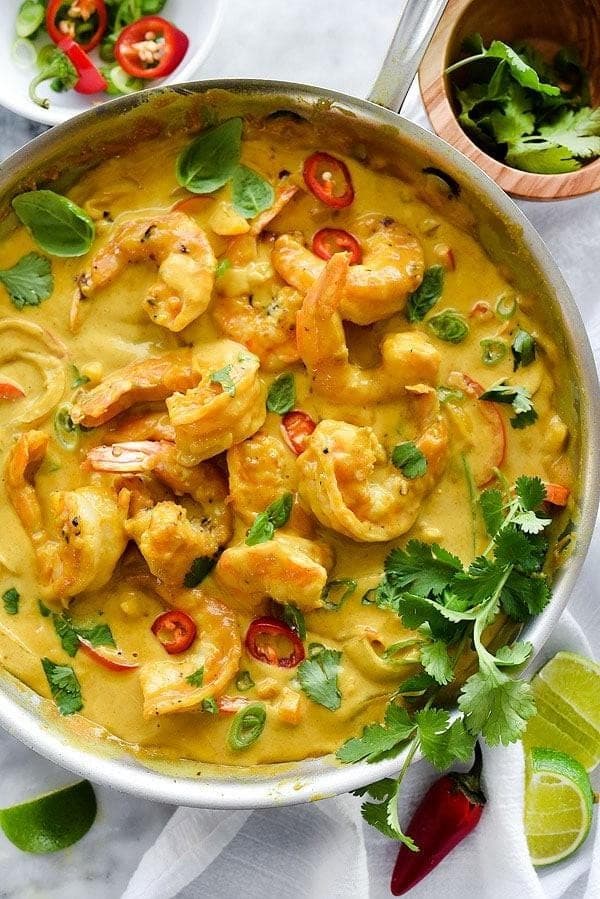
Takeout cravings do not have to knock keto off course. This roundup leans on ginger, soy, sesame, and cauliflower swaps to give busy home cooks 13 dishes with the salty, saucy pull that usually comes with rice and noodles. The real appeal is how practical the recipes feel in a weeknight kitchen, not just how good they sound on paper.
The keto frame behind the flavor
Keto works here because the eating pattern stays very low in carbohydrates, high in fat, and moderate in protein, with the goal of inducing nutritional ketosis. Mayo Clinic says many keto plans keep carbs under 50 grams per day, which is why rice bowls and noodle-heavy takeout usually need a rethink. The same guidance also notes that the long-term health risks of keto remain unknown, while the American Heart Association’s 2023 scientific statement said ketogenic diets contradict its heart-healthy eating guidance.
Cauliflower rice makes the base believable
The smartest swap in the whole collection is cauliflower rice, because it gives the bowl the same scoopable shape as fried rice without the grain load. USDA SNAP-Ed says cauliflower can be grated into cauliflower rice and kept in the refrigerator for up to five days, which makes it a real meal-prep ingredient instead of a one-night-only trick. That storage window matters when the goal is to cook once and eat well for several days.
Chicken thighs keep the fried rice satisfying
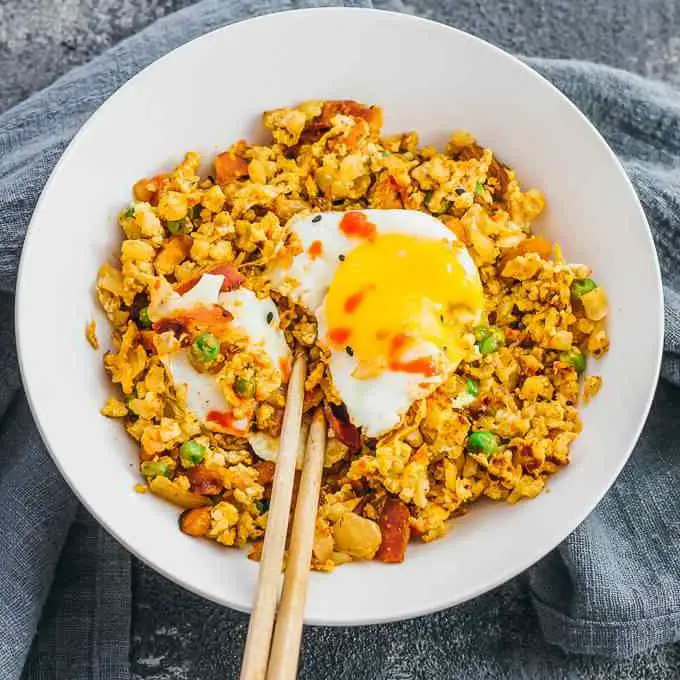
The featured Keto Asian Chicken Cauliflower Fried Rice uses diced chicken thighs, and that choice gives the dish enough richness to stand up to ginger, garlic, and sesame. Avocado oil helps the chicken sear cleanly, so the pan starts building flavor before the vegetables ever go in. It is the kind of protein choice that keeps a low-carb dinner from feeling flimsy.
Eggs give the bowl its fried-rice body
Beaten eggs are part of the recipe for a reason: they add the soft, rich texture that makes fried rice feel complete. Scrambling them in the same skillet keeps the method simple and also helps the whole dish read like a takeout classic instead of a separate pile of ingredients. In a keto kitchen, that matters because eggs bring both fat and substance without adding starch.
Ginger and garlic carry the takeout aroma
Fresh ginger and garlic do a lot of the heavy lifting here, because they create the familiar first hit you expect when a hot wok lands on the table. The recipe briefly cooks the aromatics so they bloom without burning, which keeps the flavor bright instead of bitter. That small timing detail is part of why the dish feels restaurant-adjacent even though it starts with a vegetable base.
Coconut aminos and sesame oil handle the sauce profile
Coconut aminos stand in for the salty, savory backbone that usually comes from soy-heavy sauces, and toasted sesame oil adds the nutty finish that makes the bowl taste complete. Together, they deliver the ginger-soy profile the roundup is after without leaning on sugary sauces that can wreck keto macros. The result is deeply familiar flavor with a lower-carb pantry.
Green onions finish the skillet with freshness
Green onions show up at the end, and that is exactly where they belong. They cut through the richness of the chicken, egg, and sesame oil with a sharp green finish, while also adding the bright specks that make a stir-fry look like a takeout order. It is a small ingredient, but it gives the bowl its final lift.
The texture trick keeps the rice crisp-tender
One of the most useful technical notes in the recipe is to press the cauliflower rice between paper towels before cooking. That simple move keeps extra moisture out of the pan, which helps the finished dish stay crisp-tender instead of turning soggy. Once the cauliflower goes in, the goal is to let it char lightly so it resembles the dry, wok-heated texture people actually want from fried rice.
The skillet sequence is built for speed
The method stays straightforward: sear the chicken, scramble the eggs, briefly cook the ginger and garlic so they do not burn, then add the cauliflower rice and toss everything together. That sequence keeps each component distinct while still letting the flavors mingle in one pan. For a weeknight cook, it is the difference between a polished stir-fry and a crowded skillet.
Meal prep is built into the recipe
The fried rice can be portioned into meal-prep containers and refrigerated for up to four days, which makes it an easy answer for weekday lunches or a dinner you want ready after work. That storage life lines up well with cauliflower rice itself, which can stay refrigerated for up to five days according to USDA SNAP-Ed. In other words, the dish is designed for repetition, not just a single serving.
The roundup reaches beyond fried rice
The larger collection does not stop at one skillet. It also points readers toward stir-fries, soups, and fast skillet meals, all built around ingredients that already live in a low-carb pantry. That range matters because it turns Asian-inspired keto cooking into a flexible weeknight system rather than a one-off recipe.
This is part of a wider low-carb Asian lane
Nummy Recipes is clearly building a bigger low-carb Asian-style thread, with other keto Chinese recipes and an earlier keto meals collection in the mix. The pattern suggests a steady interest in the same problem: how to keep the speed, seasoning, and comfort of takeout without the rice, noodles, or sugary sauces. For anyone who is tired of fighting cravings with plain chicken and steamed vegetables, that is the real promise here, and the cauliflower rice bowl is where it lands.
Every story on Keto Diet Magazine is assembled by an automated editorial system that works from verified research, official records, and credible reporting, then clears automated accuracy and moderation checks before it goes live. The standards that system follows are set and overseen by the people who run the publication. Read our full editorial policy.
Did this article answer your question?