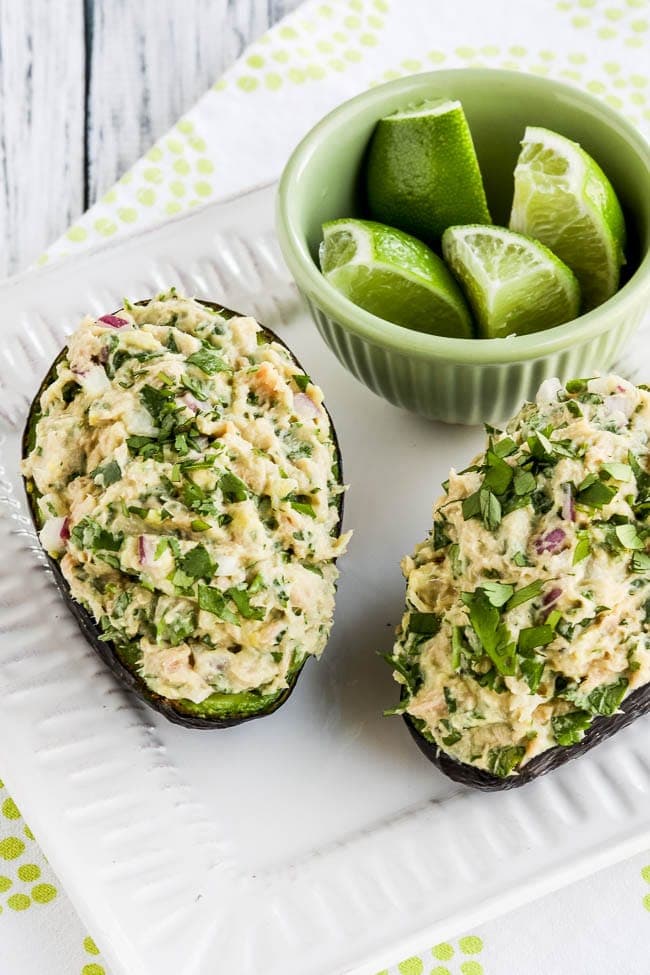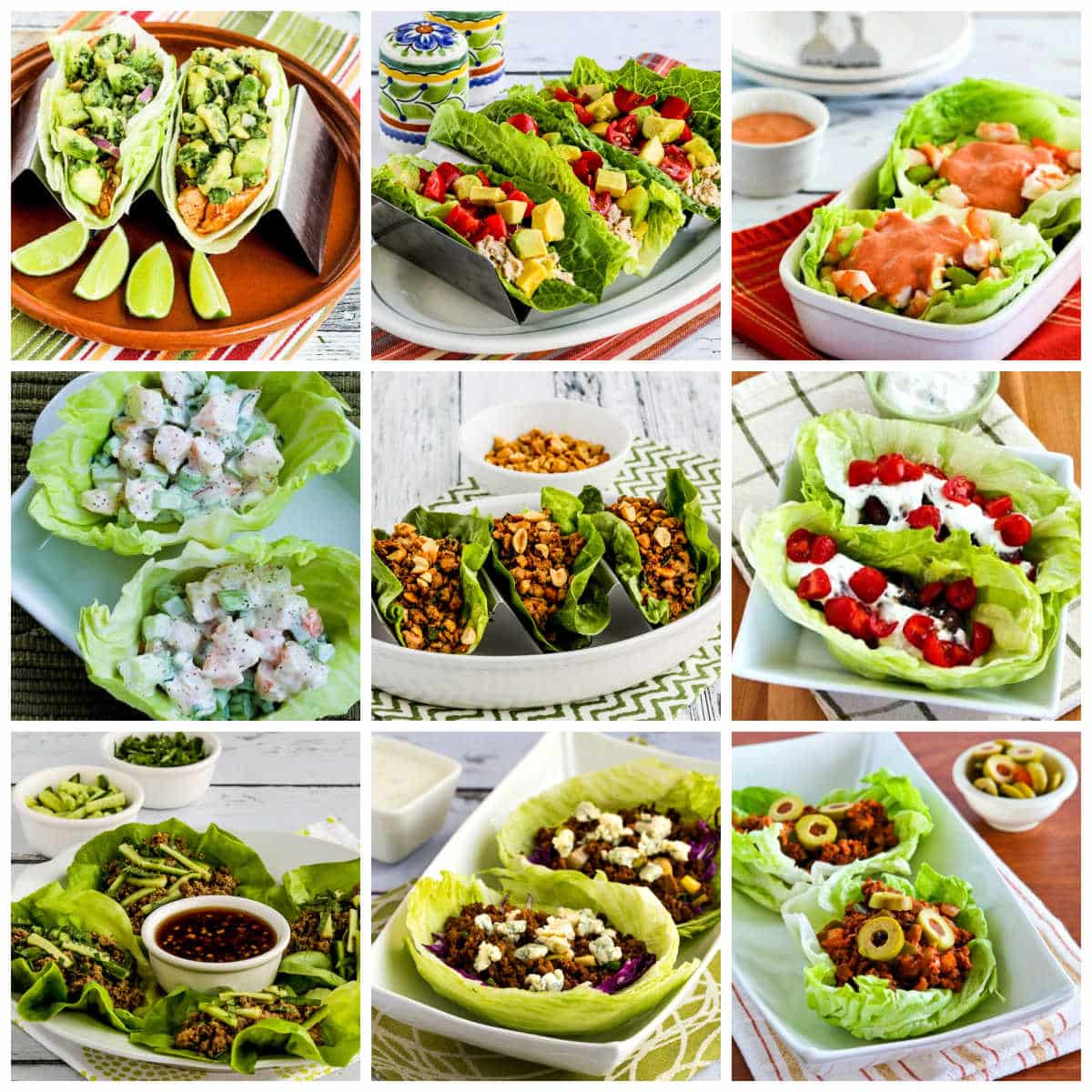
Crisp lettuce, tender chicken, melted cheese and a creamy sauce make chicken lettuce boats a hot-weather handheld keto lunch that stays fresh and filling without turning heavy, soggy, or oddly joyless by noon. The format is simple: protein, fat, and enough texture to make the meal feel complete.
Why chicken lettuce boats work so well
The real appeal is contrast. Cold, crunchy lettuce gives the chicken a clean frame, while cheese and sauce bring the richness that keeps a low-carb lunch from feeling like a side dish in disguise. That balance matters because keto lunches often fail in one of two ways: they get too heavy, or they leave you hungry an hour later. A lettuce boat threads the middle, giving you something you can eat by hand without needing a fork, a knife, or a separate round of snacks.
It also fits the kind of eating that holds up outside the kitchen. The filling can be portioned ahead, tucked into a container, and paired with lettuce leaves only when it is time to eat, which keeps the crunch intact for work lunches, school pickups, and the 2 p.m. slump.
How it fits the keto template
A chicken lettuce boat maps neatly onto the basic ketogenic pattern. Ketogenic eating is very low in carbohydrates, high in fat, and moderate in protein, with nutritional ketosis shifting the body from glucose toward ketones for fuel. In that frame, lettuce is not a garnish. It is the wrapper, the bread, the tortilla, and the sandwich all at once.
The vegetable side of keto is broader than people sometimes assume. UC Davis Nutrition includes leafy greens, cucumber, celery, cauliflower, broccoli, asparagus and squash among the vegetables that fit the pattern, a reminder that keto does not have to mean stripping plants out of the meal. During Atkins induction, 12 to 15 grams of net carbs from vegetables per day is typical, showing that some keto approaches explicitly budget vegetables rather than exclude them.
They keep the carb-heavy foundation out of the picture while letting vegetables do real structural work. Instead of bread or tortillas carrying the lunch, the lettuce does, and the rest of the filling can stay focused on protein and fat.
The lunch problem it actually solves
Chicken lettuce boats remove the need to cook separate meals for different eaters. The same filling can go into lettuce for one person, a wrap or bowl for someone else, and that flexibility is a big deal in households where one lunch plan has to serve more than one way of eating.
That flexibility also carries across meal prep. Keto can get tedious when every lunch feels like a special project, but a lettuce boat is mostly assembly. Cook the chicken once, keep the sauce ready, portion the cheese, and lunch becomes a matter of putting the pieces together.
Sauce, cheese and the hidden carb question
The smartest version of this lunch keeps its richness in the obvious places. Melted cheese adds fat and a satisfying finish, and a creamy sauce gives the chicken the moisture it needs without forcing the meal into breaded or sugary territory. Hidden carbs tend to creep in through the extras, not the lettuce itself.
The easiest rule is to let the lettuce stay neutral and let the filling carry the flavor. When the chicken is seasoned well and the sauce is genuinely creamy, the meal does not need crackers, croutons or a sweet glaze to feel complete.
The bigger keto backdrop
The ketogenic diet was developed more than 100 years ago by Dr. Wilder at Mayo Clinic to treat children with severe epilepsy, long before it became a mainstream weight-loss trend. The Mayo Clinic Diet’s Healthy Keto plan is a high-fat, low-carb meal plan intended to support weight loss, appetite control and blood sugar management.
A 2024 review concluded that keto does not meet standards for a healthy diet and may not be safe for some people with heart disease. A 2024 review in the American Journal of Clinical Nutrition found that keto may improve triglycerides, blood pressure, weight and glycemic control, but can also raise total cholesterol and LDL cholesterol.
Every story on Keto Diet Magazine is assembled by an automated editorial system that works from verified research, official records, and credible reporting, then clears automated accuracy and moderation checks before it goes live. The standards that system follows are set and overseen by the people who run the publication. Read our full editorial policy.
Did this article answer your question?