Cardiologist warns keto may raise cholesterol and strain the heart
A London cardiologist says keto can drop weight fast, but saturated-fat-heavy versions may drive LDL up and strain the heart. He urges lipid checks, especially for people with cholesterol issues.

The promise of fast weight loss is what keeps many people in keto, but London cardiologist Francesco Lo Monaco said the way the diet is often built can push LDL cholesterol up and add strain to the cardiovascular system. On May 17, the private cardiologist and founder of the National Heart Clinic warned that keto is a high-fat, low-carbohydrate, protein-rich way of eating that drives ketosis, yet many people focus on the scale and ignore the heart-risk tradeoff.
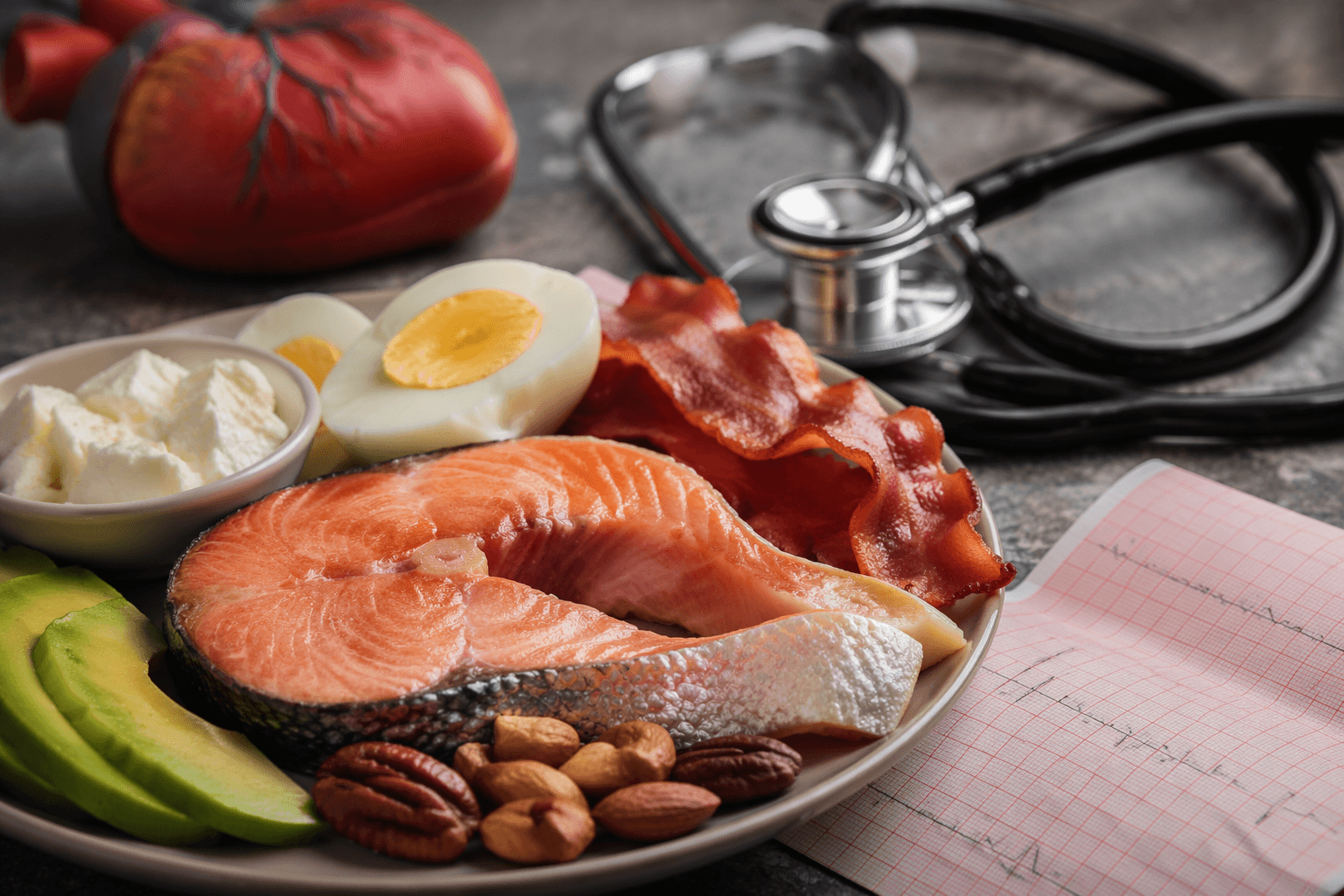
Lo Monaco’s key distinction was not between low-carb and non-low-carb eating, but between fat sources. He said the real problem comes when keto is built around saturated-fat-heavy foods such as processed meats, butter and cheese, then treated as if all fats behave the same way in the body. People with existing cholesterol problems should be especially careful, he said, but even those with average cholesterol can be affected if LDL climbs over time. His advice pushed keto toward a short-term intervention rather than an open-ended lifestyle, especially when carbohydrate restriction crowds out nutrients from other food groups.
That warning fits a growing body of guidance. Harvard Health has said keto diets may lower triglycerides and body fat in the short term, but raise LDL cholesterol and offer scarce evidence of long-term benefit. The NHS, in cholesterol-lowering guidance last reviewed on March 13, 2026, continues to advise reducing saturated fat. The British Dietetic Association recommends replacing saturated fats with polyunsaturated and monounsaturated fats, while Mass General Brigham says saturated-fat-heavy diets correlate with higher LDL and a higher risk of heart disease and stroke.
Recent research has also sharpened the concern. A 2024 review in the American Journal of Clinical Nutrition said ketogenic diets can improve triglycerides, blood pressure, weight and glycemic control, but that elevated total cholesterol and LDL warrant caution. A 2025 American Heart Association journal article reported short-term LDL-C increases of 18 to 70 mg/dL in healthy adults with normal BMI on ketogenic diets, and said the long-term ASCVD consequences have not been directly studied. HEART UK has likewise summarized meta-analytic findings showing total cholesterol and LDL rose in keto groups compared with higher-carbohydrate diets. In 2023, the American College of Cardiology pointed to a study linking a keto-like diet with a twofold higher risk of cardiovascular events.
For keto followers, the practical read is clear: the diet framework is not the same as the version many people execute. If the plate is heavy on butter, bacon and cheese, LDL can move in the wrong direction; if the fats come from olive oil, nuts, seeds and oily fish, the conversation changes from ketosis alone to risk management. That is the difference Lo Monaco was drawing, and it is the one that matters when the initial weight drop starts to look like a green light.
Every story on Keto Diet Magazine is assembled by an automated editorial system that works from verified research, official records, and credible reporting, then clears automated accuracy and moderation checks before it goes live. The standards that system follows are set and overseen by the people who run the publication. Read our full editorial policy.
Did this article answer your question?