If keto feels compliant on paper but the scale has flatlined, the issue is usually not that the diet suddenly quit working. A lot of the advice people still repeat was built for the honeymoon phase, not the slower, messier stretch that comes after, and Harvard T.H. Chan School of Public Health still describes keto as hard to sustain long term with mixed weight-loss results compared with other diets.
Treat keto as a tool, not an identity
One of the biggest plateaus comes from acting like keto is an all-or-nothing belief system. The Centers for Disease Control and Prevention treats carbohydrate counting as a practical way to manage blood sugar, which is a useful reminder that carb control works best as a measurable tool, not a loyalty test. If your old rule was “I’m keto, so I never have to think about carbs again,” that rule is already outdated.
Count the carbs that used to slide by
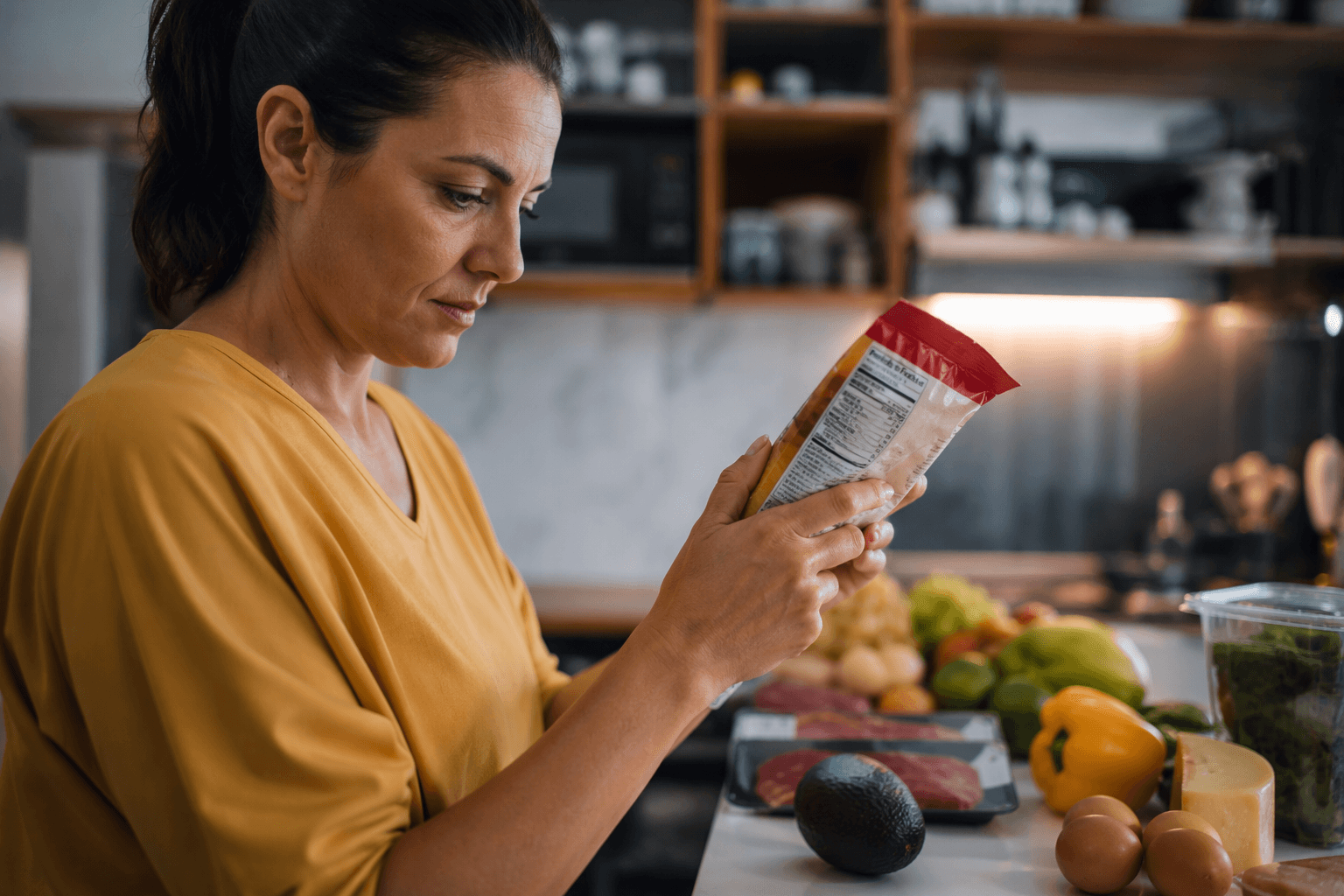
A stalled run often starts with the quiet carbs you stopped noticing, like sauces, dressings, flavored drinks, and packaged “keto” snacks that fit the label better than they fit your goals. The fix is blunt: read labels again, log the actual grams, and stop assuming that low-carb marketing equals low-carb reality. The 2026 push from brands like Levels and Atkins shows the category keeps evolving, which is another sign that casual carb math is not enough anymore.
Stop treating fat as an unlimited goal
Ketogenic diets are defined in clinical review materials from the National Institutes of Health and the National Center for Biotechnology Information as low-carbohydrate, moderate-protein, high-fat eating patterns intended to induce ketosis. That does not mean every meal needs more added fat, especially if your goal is fat loss rather than simply staying in ketosis. Butter, cream, MCT oil, and fat bombs are easy to overdo, and when they become extras instead of replacements, you can stall without ever leaving low-carb territory.
Bring protein back into the center
A lot of stalled keto followers under-eat protein because they were taught to fear it, then compensate with more fat. The modern correction is to treat protein as the anchor at each meal, not the thing you trim first. If your plates are built around eggs, meat, fish, Greek yogurt, or other protein-forward foods, you usually get better satiety and a cleaner shot at preserving lean mass while you cut.
Separate nutritional ketosis from just eating fewer carbs
There is a real difference between “low carb” and actually reaching ketosis. The NIH and NCBI materials describe keto as a pattern designed to induce ketosis, which means you need a real carb ceiling and enough consistency to make the switch, not just a vague effort to “eat cleaner.” That is why the current wave of keto talk, including Thomas DeLauer’s March 11, 2026 video titled “The New Era of Keto in 2026 (NEW science, NEW rules),” leans harder on measurement and less on folklore.

Cut the snack loop
One of the fastest ways to stall is grazing all day on cheese, nuts, pork rinds, and keto treats because they feel safe. The problem is not just carbs, it is how easy these foods make it to keep calories high without ever feeling done eating. If your day looks like a long chain of bites, tighten it into defined meals and make every eating window count.
Use meal structure instead of improvising
Keto works better when you stop winging it meal by meal. The diet’s known adherence problems, which show up in both Harvard’s review and NIH clinical summaries, are a strong hint that structure matters more than novelty, especially once the early rush wears off. A repeatable breakfast, lunch, or dinner pattern is not boring when it keeps you from spiraling into random bites that never add up to a satisfying meal.
Fix recovery before blaming carbs
The old rule that fat loss is only about macros leaves out how recovery changes appetite, training output, and how disciplined you feel at the end of the day. If you are lifting hard, sleeping poorly, or pushing through constant stress, keto can start to feel flat even when your food choices look perfect. The updated approach is less macho and more effective: protect recovery so your food plan has a chance to work.
Reset your expectations about speed
Harvard’s Nutrition Source is clear that the evidence is mixed on whether keto is better for weight loss than other diets, and that matters when the fast early drop slows down. If you expected the same dramatic loss and mental clarity forever, you were probably set up to misread normal adaptation as failure. The better rule now is to judge progress by trend, adherence, and how well the plan fits your real life, not by the first few weeks.
Use the 2026 version of keto, not the old internet version
The fact that Stanford University’s Knight Initiative published “Unlocking the secrets of ketosis” on November 12, 2024, and newer guidance keeps appearing from outfits like Levels and Atkins tells you the conversation has moved on. Keto is no longer just “keep carbs low and add more fat,” and the people who keep losing progress are often the ones still following that simplified script. If you want stalled fat loss to move again, the cleanest fix is to make keto more precise, more moderate, and more livable than the version you first learned.
Every story on Keto Diet Magazine is assembled by an automated editorial system that works from verified research, official records, and credible reporting, then clears automated accuracy and moderation checks before it goes live. The standards that system follows are set and overseen by the people who run the publication. Read our full editorial policy.
Did this article answer your question?