
Protein first, not recipe first
The easiest way to keep weeknight keto from turning repetitive is to stop planning seven separate dinners. Katalin Nagy’s approach for Spatula Desserts starts with one practical idea: cook a few versatile proteins once, then remix them all week long.
That means building around shredded chicken, ground turkey, steak strips, and baked salmon, then turning the same batch into lettuce wraps one night, salad topping the next, and a fast skillet meal later in the week. The system works because it cuts decision fatigue while keeping the fridge stocked with components that actually fit a high-protein, lower-carb routine.
Build the week from repeatable parts
The real win in this style of prep is not the cooking itself, but the structure. Instead of asking what new dinner to make every evening, you already have the answer waiting in the fridge: a protein, a vegetable, a fat, and a sauce.
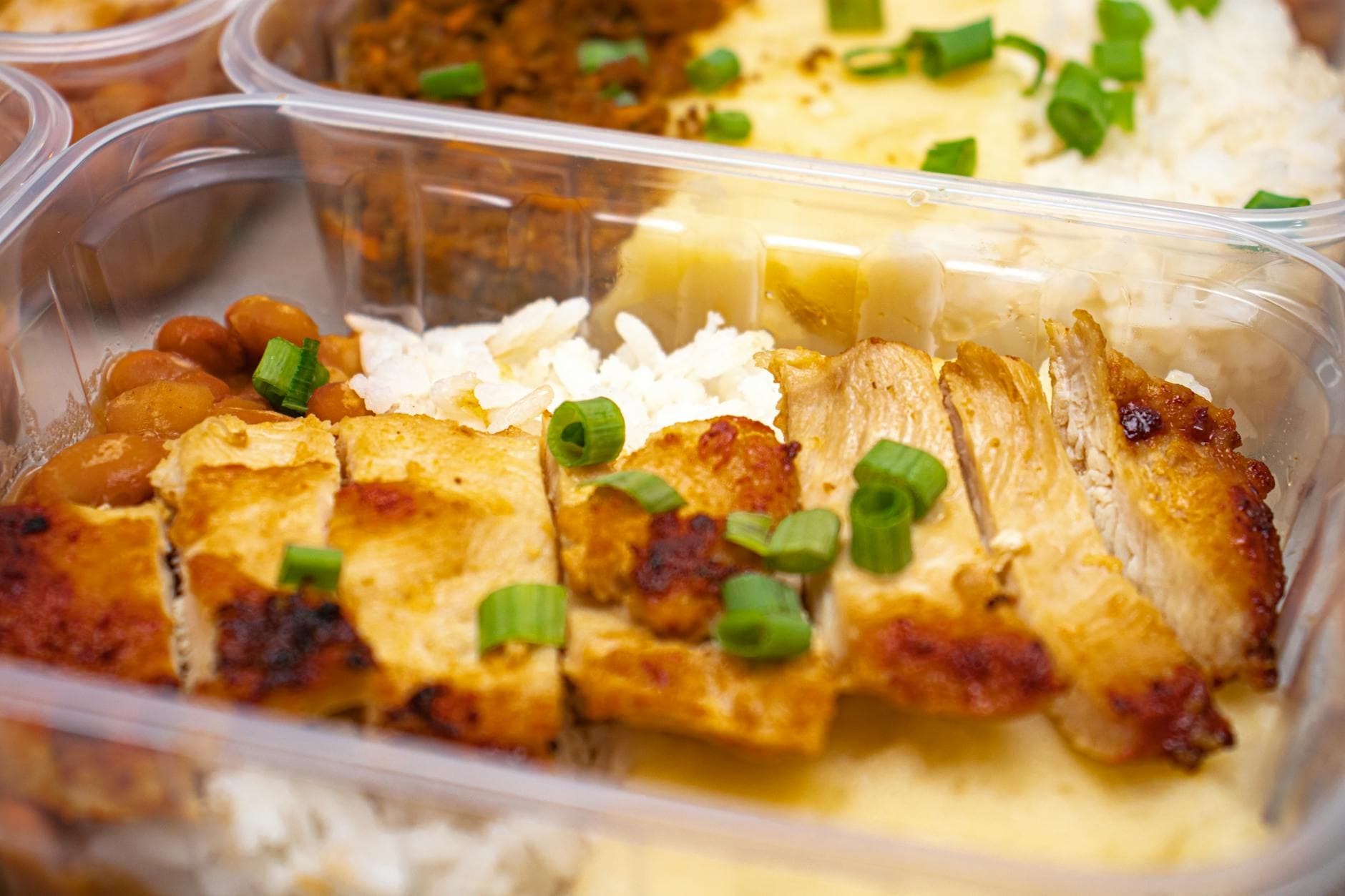
That kind of repeatable framework is especially useful when work runs late or family schedules pile up. A container of ground turkey can become taco-style bowls one night and a quick pan meal the next. Shredded chicken can do the same job in lettuce wraps, chopped salads, or a simple warm plate with vegetables.
Keep the sides simple on purpose
Nagy’s low-carb side strategy is refreshingly restrained, and that is exactly why it works. Roasted vegetables, cauliflower rice, and fresh-cut vegetables are all easy to batch-cook, store well, and reheat quickly without turning soggy or complicated.
For keto meal prep, that matters more than flashy recipes. A tray of roasted vegetables gives you volume and texture, cauliflower rice handles the “I need something under this protein” job, and fresh-cut vegetables keep lunch or dinner from feeling heavy. When sides are repeatable, you spend less time improvising and more time actually eating the food you prepared.
Seasoning does the heavy lifting
The fastest way to ruin a good meal-prep system is to season everything the same way. Nagy leans into marinades and seasoning blends so one batch of protein can taste different from the next, which keeps the week from collapsing into plain chicken fatigue.
That flexibility matters because a neutral batch can later slide into tacos, bowls, or salads, while another batch can lean garlic-and-herb and stand on its own. The flavor strategy also helps you avoid the hidden carb traps that show up in a lot of “healthy” meal prep: sweet bottled sauces, overly sugary marinades, and dressings that look light but bring more carbs than the protein itself.
Why this still fits keto, not just low-carb
There is an important distinction here. A narrative review explains that nutritional ketosis is generally reached by restricting carbohydrates, moderating protein, and increasing fat intake. Nagy’s system is clearly built for high-protein, low-carb eating, which makes it practical for weekdays, but strict keto readers still need to watch carb totals closely.
Diet Doctor’s current keto guidance keeps the carb ceiling tighter, generally recommending fewer than 20 grams of net carbs per day. That means portions, sauces, and vegetables still matter, even in a simple prep system. Mayo Clinic’s keto planning advice lines up with that logic too, emphasizing healthy fat sources, balanced choices, and preparing meals in advance rather than leaving dinner to chance.
The quality piece matters as much as the macros
A newer review on ketogenic diets makes a point that keto veterans already know but sometimes forget in the rush for convenience: diet quality matters. The strongest versions of keto include adequate fruits and vegetables and lower saturated fat, not just a pile of meat and cheese.
That is why a protein-first meal-prep system can be so useful when it is built well. The chicken, turkey, steak, or salmon gives you the protein anchor. The roasted vegetables and cauliflower rice keep the plate more balanced. The sauces and fat choices add richness without pushing the meal into a carb trap or a saturated-fat overload.
A diet with a long memory and a huge current footprint
Part of keto’s staying power comes from its history. A review of the modern ketogenic diet traces its roots to early 20th-century epilepsy research, starting with starvation studies in 1911 and moving toward deliberate ketosis by 1921, work associated with figures such as Rollin Woodyatt and Russell Wilder.
It also remains a major modern eating pattern. That same review cites 25.4 million unique U.S. Google searches for keto in 2020 and says the global ketogenic food market was valued at $9.57 billion in 2019. In other words, this is not a fringe habit anymore. It is a mainstream system people keep returning to because it promises structure, speed, and control.
The appeal of Nagy’s version is that it makes those promises feel realistic on a Tuesday night. One prep session, a few repeatable components, and a handful of smart seasoning choices are enough to keep dinner moving without slipping into boredom. For keto households, that is often the difference between staying consistent and abandoning the plan by Thursday.
Every story on Keto Diet Magazine is assembled by an automated editorial system that works from verified research, official records, and credible reporting, then clears automated accuracy and moderation checks before it goes live. The standards that system follows are set and overseen by the people who run the publication. Read our full editorial policy.
Did this article answer your question?