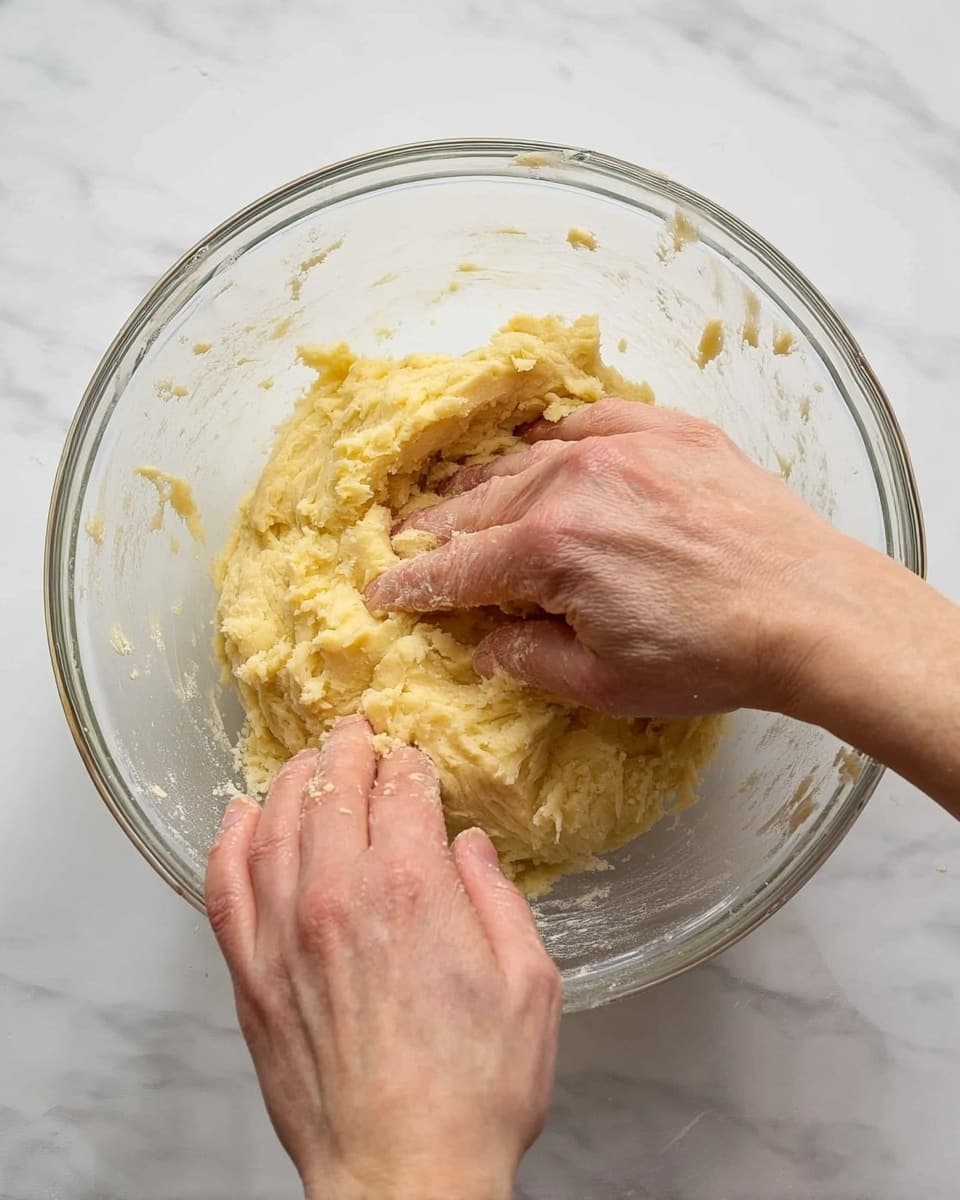
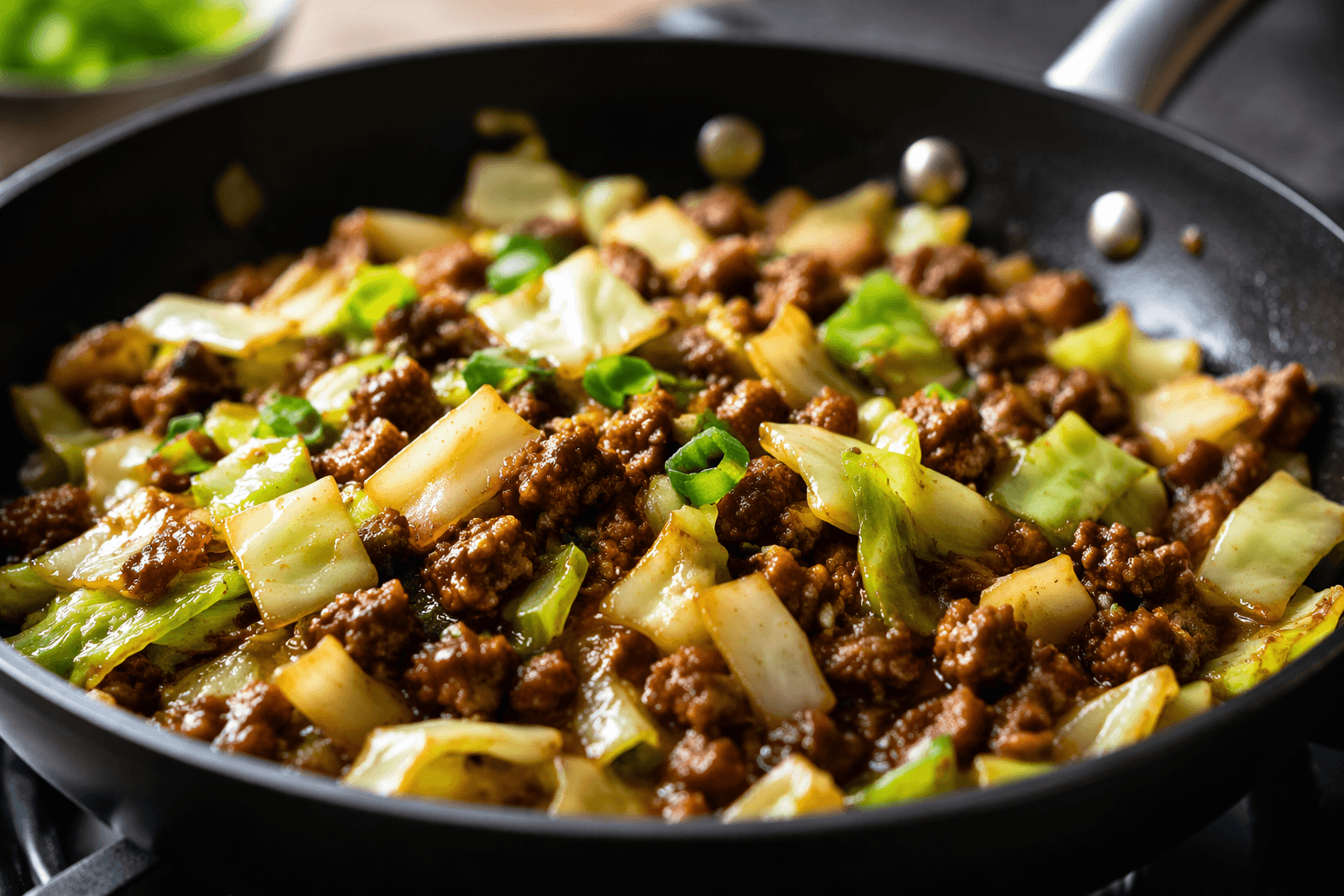
Clara Morgan’s low-carb Mongolian ground beef cabbage skillet leans hard into the one thing keto cooks want most on a busy night: big flavor with no starch-heavy detour. Built around ground beef, shredded cabbage, garlic, soy sauce, and sesame oil, it aims for the savory, umami-rich profile of takeout-style Mongolian beef while keeping the prep fast and the carbs low.
Why this skillet works for keto
The appeal starts with the contrast. Ground beef brings richness and staying power, while cabbage supplies bulk and a lighter texture that makes the pan feel full without relying on rice or noodles. That combination is exactly why the dish fits keto so naturally: it keeps the plate hearty, but the carbs stay out of the way.
Morgan frames the recipe as more than a workaround. It is positioned as something you can throw together on a busy evening and still feel good serving to family or friends, because the flavor is bold enough to read as comfort food rather than a compromise. That matters in keto cooking, where the hardest part is often not cutting carbs, but making dinner feel complete enough to repeat.
How cabbage changes the texture
Cabbage does more than stretch the meal. Once shredded, it gives the skillet volume, a little crunch, and enough softness to catch the sauce without turning the dish heavy. In a classic restaurant-style Mongolian beef, the meat usually carries the whole plate; here, the cabbage changes the balance so the recipe feels bigger and more practical for weeknights.
That shift also changes the eating experience in a useful way. Instead of a dense, all-meat bowl, you get a mix of protein and greens that feels more rounded and easier to keep in rotation. For keto eaters trying to avoid the trap of overly elaborate macro math, that simple pairing of beef and cabbage does a lot of the work.
Why ground beef makes it more weeknight-friendly
Swapping in ground beef is the other move that makes this skillet work. It cooks quickly, is generally easier to keep on hand, and turns a once-special-occasion flavor profile into something you can make on an ordinary Tuesday. The recipe’s practicality comes from that shift just as much as from the cabbage.
It also changes the cost and accessibility of the dish. Ground beef is usually easier to build a dinner around than a pricier cut meant to mimic takeout strips, and that makes the whole meal feel less like a splurge and more like a standard keto staple. In other words, the recipe is built for repetition, not just novelty.
The flavor stays familiar
Even with the structural changes, the dish still aims to taste like Mongolian beef. Garlic, soy sauce, and sesame oil bring the familiar sweet-savory backbone that makes the takeout version so recognizable, and that’s the key to making a low-carb copy feel satisfying. The point is not to recreate every detail of the original restaurant plate, but to preserve the flavor memory that makes people want it in the first place.
That familiar profile gives the skillet its comfort-food edge. The soy-sesame note adds depth, the garlic sharpens everything up, and the beef keeps the whole pan grounded in something substantial. For keto readers, that balance is important because it keeps the dish from drifting into plain “diet food” territory.
A practical substitute, not a strict clone
The smartest way to read this recipe is as a practical substitute rather than a rigid copy. Cabbage and ground beef change the texture, shorten the cooking path, and lower the cost, but they also make the dish easier to live with on a regular basis. That tradeoff is the whole point: you lose the exact bite of restaurant Mongolian beef, but you gain a skillet that is faster, simpler, and better suited to everyday keto life.
That is why the recipe lands where it does in the low-carb kitchen. It is flexible enough for a quick dinner, sturdy enough to serve beyond solo meal prep, and built from ingredients many keto kitchens already have on hand. It solves the weeknight problem first, and the craving problem right along with it.
Why it fits the way keto is actually eaten
Keto works best when meals are satisfying enough to repeat, and this skillet understands that reality. Protein and greens are doing the heavy lifting here, which keeps the plate simple without feeling sparse. The dish also avoids the common low-carb pitfall of trying to turn every dinner into a project.
That makes the recipe useful in a very specific way. It gives keto cooks a takeout-style flavor hit without the sugar and starch that usually come with it, and it does so in a format that feels realistic for a busy evening. Clara Morgan’s skillet does not try to be the original Mongolian beef plate; it tries to be the version you can actually make again next week, and that is where it earns its place in the keto rotation.
Every story on Keto Diet Magazine is assembled by an automated editorial system that works from verified research, official records, and credible reporting, then clears automated accuracy and moderation checks before it goes live. The standards that system follows are set and overseen by the people who run the publication. Read our full editorial policy.
Did this article answer your question?