Dr. David Unwin’s Norwood Surgery in Southport has now reached 157 drug-free type 2 diabetes remissions, the clearest sign yet that a low-carb clinic model can work inside routine NHS primary care. Unwin has run the programme at the Merseyside practice since 2013, steering patients away from foods that spike blood glucose and backing the diet with close medication review as numbers improved.
The strongest proof sits in the practice’s own 8-year real-world evaluation, published in BMJ Nutrition, Prevention & Health and based on 186 patients who chose the low-carb approach. Overall remission was achieved in 51% of the cohort. Patients diagnosed with type 2 diabetes for less than one year did best, with a 77% remission rate, while those who had lived with the condition for more than 15 years still reached a 20% remission rate. The study also found a median weight loss of 10 kg over an average 33 months, alongside reductions in HbA1c, LDL cholesterol, triglycerides and systolic blood pressure.

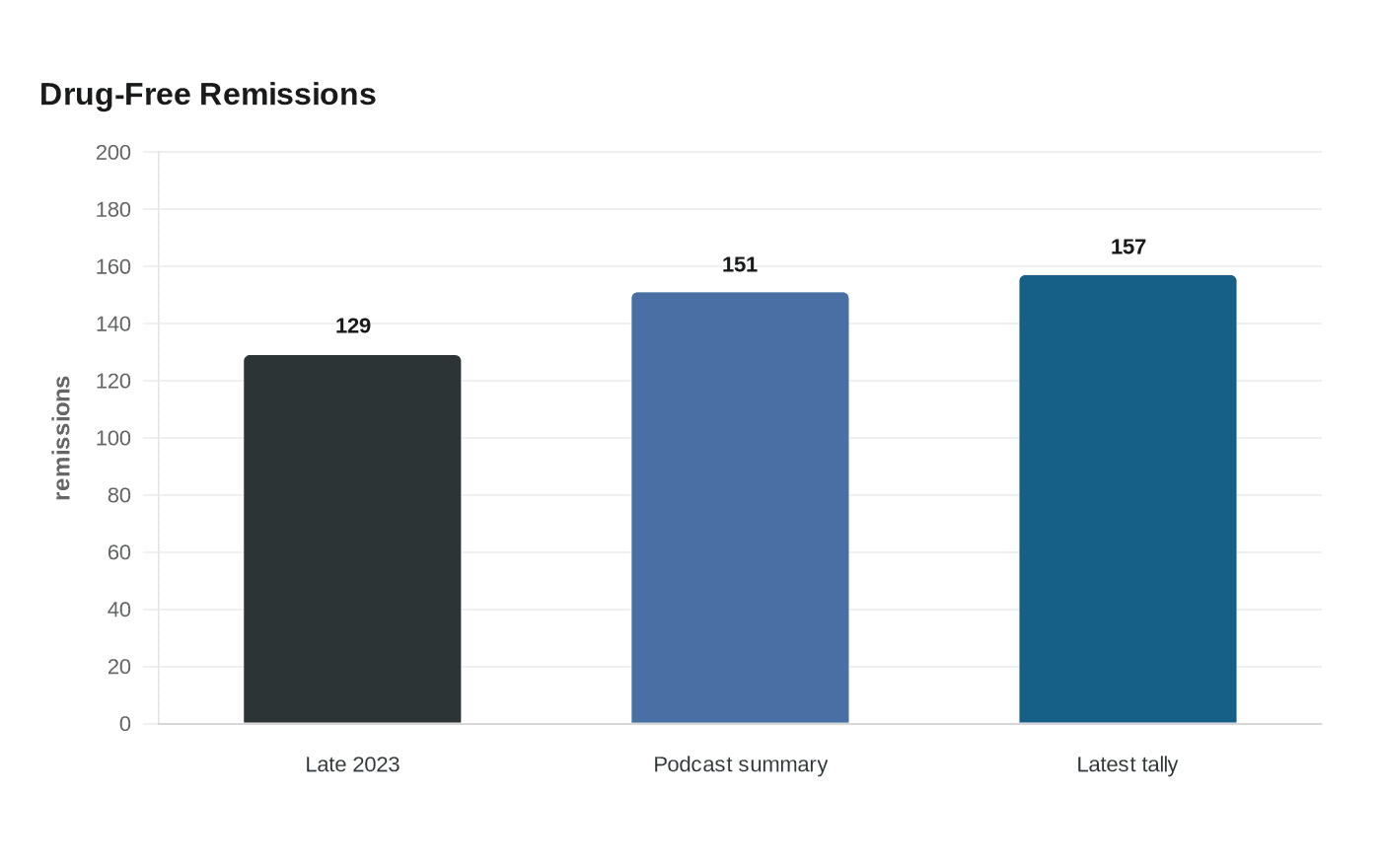
That combination of weight loss, better glucose control and lower prescribing costs is what has made the programme stand out to metabolic health advocates. It has also turned the practice into a long-running case study in how remission care can be delivered in ordinary surgery life, not just in specialist trials. The numbers have kept climbing over time: Unwin’s practice was reported to have 129 drug-free remissions in late 2023, then 151 in a more recent podcast summary, before reaching 157 in the latest tally.
The Southport results land alongside a wider NHS backdrop that now includes the NHS Type 2 Diabetes Path to Remission Programme, a separate low-calorie total diet replacement service for eligible people in England. That programme runs for 12 weeks with meal replacements at 800 to 900 calories a day, followed by ongoing support. Diabetes UK says low-carb diets can help achieve remission and defines low carb as fewer than 130g of carbohydrates a day. NICE’s 2026 guidance now points clinicians seeking low-energy or very-low-energy diet remission approaches toward the NHS Path to Remission programme.
For Keto readers, the contrast is stark: one pathway is built around meal replacements and very low calories, while Unwin’s clinic has shown that a lower-carb, medication-aware approach can deliver durable results in real patients. The tally from Southport keeps rising, and the programme’s basic shape has not changed since 2013.
Every story on Keto Diet Magazine is assembled by an automated editorial system that works from verified research, official records, and credible reporting, then clears automated accuracy and moderation checks before it goes live. The standards that system follows are set and overseen by the people who run the publication. Read our full editorial policy.
Know something we missed? Have a correction or additional information?
Submit a Tip