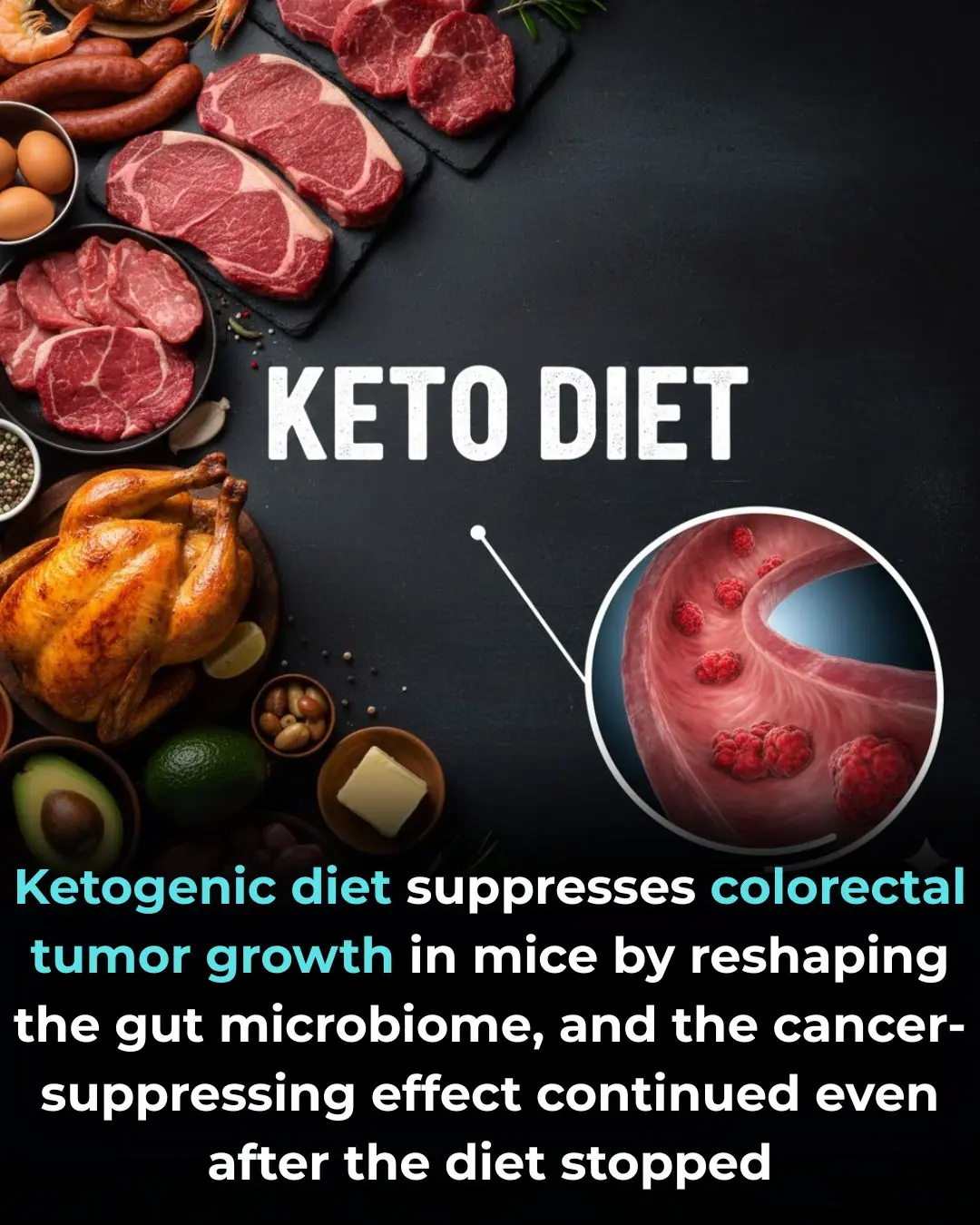
A ketogenic diet is showing up in cancer science again, but this time the story is less about calories and more about the gut. A new Cell Proliferation letter from a Soochow University-linked team in Suzhou proposes that carb restriction may reshape colorectal cancer biology by changing gut microbes, the metabolite MMA, and the immune cells inside the tumor itself. That is a provocative lab signal, but it is not a treatment recommendation for colorectal cancer.
What this paper is actually saying
The study is a short letter to the editor, not a human diet trial, and that matters. The authors, with corresponding author Songbing He, describe a mechanism in which a ketogenic diet reduces MMA-producing bacteria in the gut microbiota, which in turn lowers a chain of signaling that appears to favor tumor growth. Their model is specific: MMA acts as a ligand for Rap1, activates MAPK/ERK signaling, and pushes tumor-associated macrophages toward the pro-tumor M2 phenotype.
That framing turns keto from a simple fuel shift into a metabolic intervention with downstream immune effects. In other words, the diet may not only alter what cancer cells can use for energy, but also influence the microbial and immune environment that surrounds the tumor. For keto readers, that is the big scientific hook here: the diet is being studied as a way to perturb the whole ecosystem, not just blood sugar.
The gut-microbe link is the center of the story
The paper’s most interesting claim is that the ketogenic diet reduces bacteria that produce MMA, an oncometabolite. If that microbial shift is real, it gives researchers a possible bridge between what you eat and what happens in colorectal tumor biology. The abstract goes further by tying that metabolite to Rap1 and MAPK/ERK signaling, two pathways that help explain how a chemical signal from the gut could end up changing immune behavior inside the tumor.
The immune piece is especially important. Tumor-associated macrophages are already known to matter in colorectal cancer prognosis, and this letter slots neatly into that broader immunology picture by linking higher MMA to more M2 macrophage infiltration. M2 macrophages are associated with a tumor-supportive state, so the paper’s model suggests that less MMA could mean less of that pro-tumor immune programming.
Why the human data still need a lot more work
This is where the guardrails have to stay up. The paper reports that elevated serum MMA in colorectal cancer patients correlates with increased M2 macrophage infiltration and poor prognosis, which gives the metabolite possible clinical relevance beyond bench work. But correlation is not proof that keto improves outcomes in patients, and it does not show that diet alone can treat colorectal cancer.
The strongest evidence in this area is still preclinical. A 2025 Nature Communications study found that ketogenic diet consumption reduced colonic tumor burden in a colorectal cancer mouse model with a humanized microbiome, and it showed that microbiome transplantation into germ-free mice preserved the tumor-reducing effect. That is a strong mechanistic clue, because it suggests the microbiome can carry the effect, but it is still a mouse story, not a clinical one.
For readers trying to translate this into real life, the distinction matters. Mouse models can reveal how diet, microbes, and immune cells interact, but they do not establish how a ketogenic diet will behave in people receiving chemotherapy, surgery, radiation, or immunotherapy. In oncology nutrition, that gap between laboratory mechanism and patient care is the difference between an intriguing hypothesis and a usable recommendation.
The bigger colorectal cancer backdrop makes the question urgent
The paper places itself in a disease area with major global and U.S. burden. It cites about 1.93 million new colorectal cancer cases worldwide each year, and the American Cancer Society projects 158,850 new colorectal cancer cases and 55,230 deaths in the United States in 2026. The same statistics call colorectal cancer the second-leading cause of cancer death in the U.S. and the leading cause of cancer death in adults younger than 50.
That scale helps explain why mechanistic nutrition research keeps drawing attention. Colorectal cancer is not a niche condition, and any plausible pathway linking diet, microbiota, and immune signaling will attract interest from both patients and clinicians. The caution is that high disease burden can make premature conclusions especially tempting, which is exactly why the language around oncology diets has to stay tight and precise.
The ACS numbers also underline another reality: colorectal cancer risk and outcome patterns are not uniform. Their 2026 fast facts note that Alaska Native people have the highest colorectal cancer incidence and mortality rates, a reminder that any discussion of diet and cancer has to sit inside a wider conversation about access, screening, and prevention, not just metabolism.
How to read keto research like this without overreaching
The healthiest way to read this paper is as a mechanistic map, not a menu. It adds to a growing body of work suggesting ketogenic interventions can affect inflammation, microbial composition, and immune signaling in ways that may matter in oncology. But the clinical evidence is still thin, and the American Society of Clinical Oncology says there is insufficient evidence to recommend for or against ketogenic or low-carbohydrate diets to improve quality of life, treatment toxicity, or cancer control during active treatment.
That guidance is the key guardrail for keto readers. A ketogenic diet may one day be part of a cancer-support strategy for some patients, but this letter does not get us there. What it does do is sharpen the scientific picture: keto may influence colorectal cancer biology through a gut microbe-MMA-immune axis, and that is a meaningful clue for the next round of research.
For now, the real takeaway is simple. The paper strengthens the case that diet can talk to tumors through microbes and immune cells, but it does not turn keto into a colorectal cancer therapy. In this space, the mechanism is compelling, the human evidence is still catching up, and careful language remains the most important part of the story.
Every story on Keto Diet Magazine is assembled by an automated editorial system that works from verified research, official records, and credible reporting, then clears automated accuracy and moderation checks before it goes live. The standards that system follows are set and overseen by the people who run the publication. Read our full editorial policy.
Know something we missed? Have a correction or additional information?
Submit a Tip