A dessert that answers the 9 p.m. craving
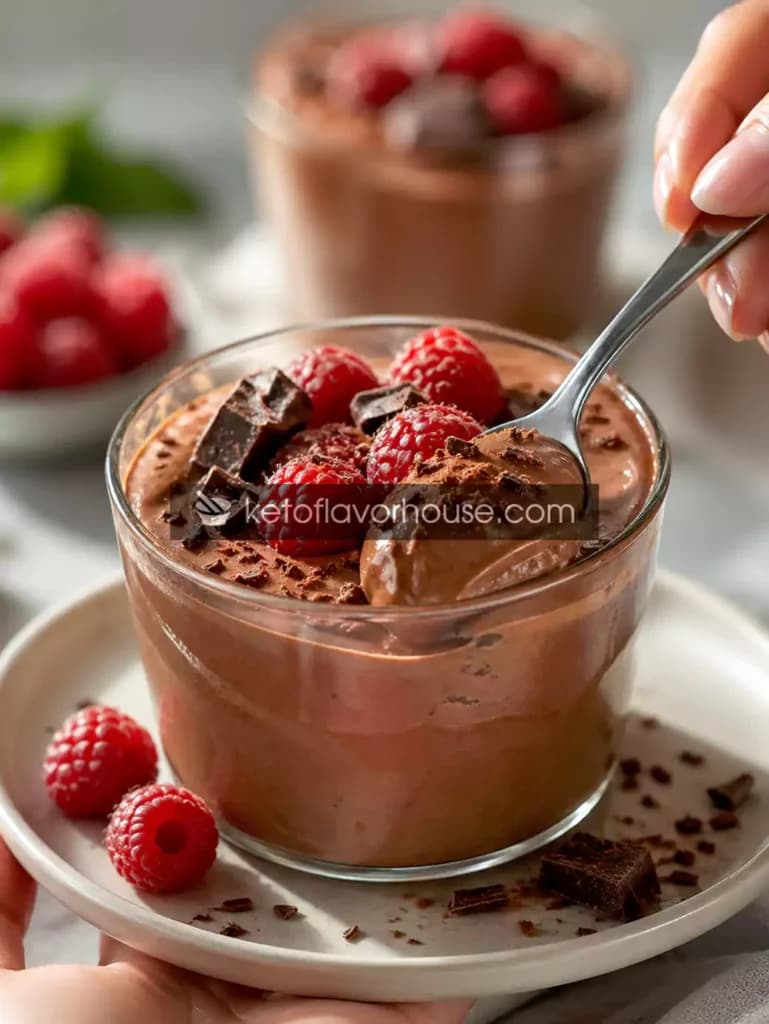
Keto protein pudding cups are built for the moment when dinner is over and the sweet tooth starts negotiating. Instead of treating that urge like a slip-up, this recipe turns it into a controlled, low-carb finish that still feels indulgent. The pitch is simple and very keto: keep the creamy comfort, protect the day’s macros, and make the whole thing easy enough to repeat.
What makes the idea resonate is how clearly it understands the after-dinner mindset. This is not a special-occasion showpiece or a dessert that asks for a lot of planning. It is a no-bake answer for people who want something sweet, creamy, and convenient while staying inside a ketogenic, high-protein routine. That combination gives the cups a place in real life, not just in a recipe box.
More than dessert, it is a macro management tool
The strongest part of the recipe is that it does not frame craving as a problem to suppress. It treats the craving as data: if you want something sweet, build something that fits the plan. That is why these pudding cups sit in the overlap between dessert and discipline, the exact place where many keto eaters end up looking for help.
That also changes how you judge them. They are not only a treat, and they are not only fuel. They can work as a dessert after dinner, a meal-prep snack for a busy day, or a post-workout option when you want protein in a form that still feels like a reward. The article’s emphasis on a high-protein routine makes that crossover feel intentional, not accidental.
Why the texture story matters so much
The personal backstory gives the cups credibility. The author did not arrive at the final version immediately. There were several attempts, including gritty failures, before the recipe landed on a silky, rich, protein-packed result. That detail matters because anyone who has made keto desserts knows texture can make or break the whole experience.

Pudding is especially unforgiving. If it turns grainy or watery, the dessert stops feeling like dessert and starts feeling like a compromise. This recipe’s appeal comes from solving that problem head-on, which is why the final version is presented less like a gimmick and more like a dependable method for getting a smooth result again and again.
A recipe page built like a system
The structure of the recipe page tells you a lot about how seriously it treats repeat use. It is not just a quick ingredient dump. It includes an introduction, reasons to love the dish, a personal experience section, required equipment, ingredient substitutions, a step-by-step method, common mistakes to avoid, pro tips, keto benefits of protein powder, variations, storage advice, frequently asked questions, and a nutritional breakdown.
That level of organization suggests the pudding cups are meant for readers who want reliability, not guesswork. The equipment section points to a process that benefits from the right tools, while the substitutions and variations sections make room for different pantry setups and taste preferences. The troubleshooting and pro tips sections are especially important in a recipe like this because smooth pudding is all about getting the technique right.
How to think about sweeteners, protein, and calories
The note that the recipe is a high-protein keto dessert is the key to evaluating where it fits. Protein is doing more than one job here: it helps the cups feel more substantial, and it supports the idea that this can be more than a tiny treat. That is also where protein powder becomes part of the appeal, since the page specifically calls out the keto benefits of protein powder as part of the recipe’s logic.
The calorie trap is the thing to watch in any keto dessert, and this is where the recipe’s structure matters again. The promise is not unlimited indulgence just because the dessert is low carb. Instead, the cups are presented as a way to satisfy a sweet craving without giving up low-carb goals or turning dessert into a macro setback. The inclusion of substitutions, variations, and a nutritional breakdown all point toward portion awareness and ingredient control rather than freewheeling snacking.
Where these pudding cups fit best
If you want the most honest read on this recipe, it is that it works best when you want dessert that can also pull double duty. As a late-night sweet fix, it fits the emotional job beautifully: creamy, no-bake, and satisfying enough to close out the day. As a meal-prep snack, it makes sense because the whole page is built around repeatability, storage, and avoiding common mistakes.
It can also serve as a post-workout option if your version of recovery is grounded in protein and low-carb structure. The recipe’s focus on a rich, protein-packed finish makes that use case feel natural. What it does not do is pretend that keto dessert is magic. It succeeds because it respects the same rules that govern the rest of the day: keep the texture right, keep the protein meaningful, and keep the calories from drifting into the territory of an accidental feast.
The bigger shift behind the recipe
The most interesting part of the story is what it says about keto dessert culture now. These cups are not framed as a rare indulgence saved for a cheat day. They are treated as a convenience food for ordinary life, which is where a lot of keto eating has moved. That is a useful evolution: dessert that helps you stay in ketosis, supports protein intake, and still feels like a treat has a much better chance of surviving beyond one enthusiastic batch.
In that sense, the pudding cups are more than a recipe. They are a small example of how keto is learning to make room for pleasure without losing the structure that makes the diet work.
Every story on Keto Diet Magazine is assembled by an automated editorial system that works from verified research, official records, and credible reporting, then clears automated accuracy and moderation checks before it goes live. The standards that system follows are set and overseen by the people who run the publication. Read our full editorial policy.
Did this article answer your question?