Healthier versions of both low-carb and low-fat diets cut coronary heart disease risk by about 15% in a major U.S. analysis, but the benefit flipped when the menu leaned on refined carbohydrates, sugary foods, and animal fats. The signal came through the food quality, not the macro label.
Zhiyuan Wu, PhD, led the study, which the Journal of the American College of Cardiology published on February 11, 2026. The analysis followed 42,720 men in the Health Professionals Follow-Up Study, 64,164 women in the Nurses’ Health Study, and 91,589 women in Nurses’ Health Study II, tracking CHD incidence across follow-up periods running from 1986 through 2016, 2018, or 2019 depending on the cohort. Researchers examined metabolomic indices and blood biomarkers, and the healthier low-carb and low-fat patterns lined up with favorable cardiovascular and metabolic signatures.
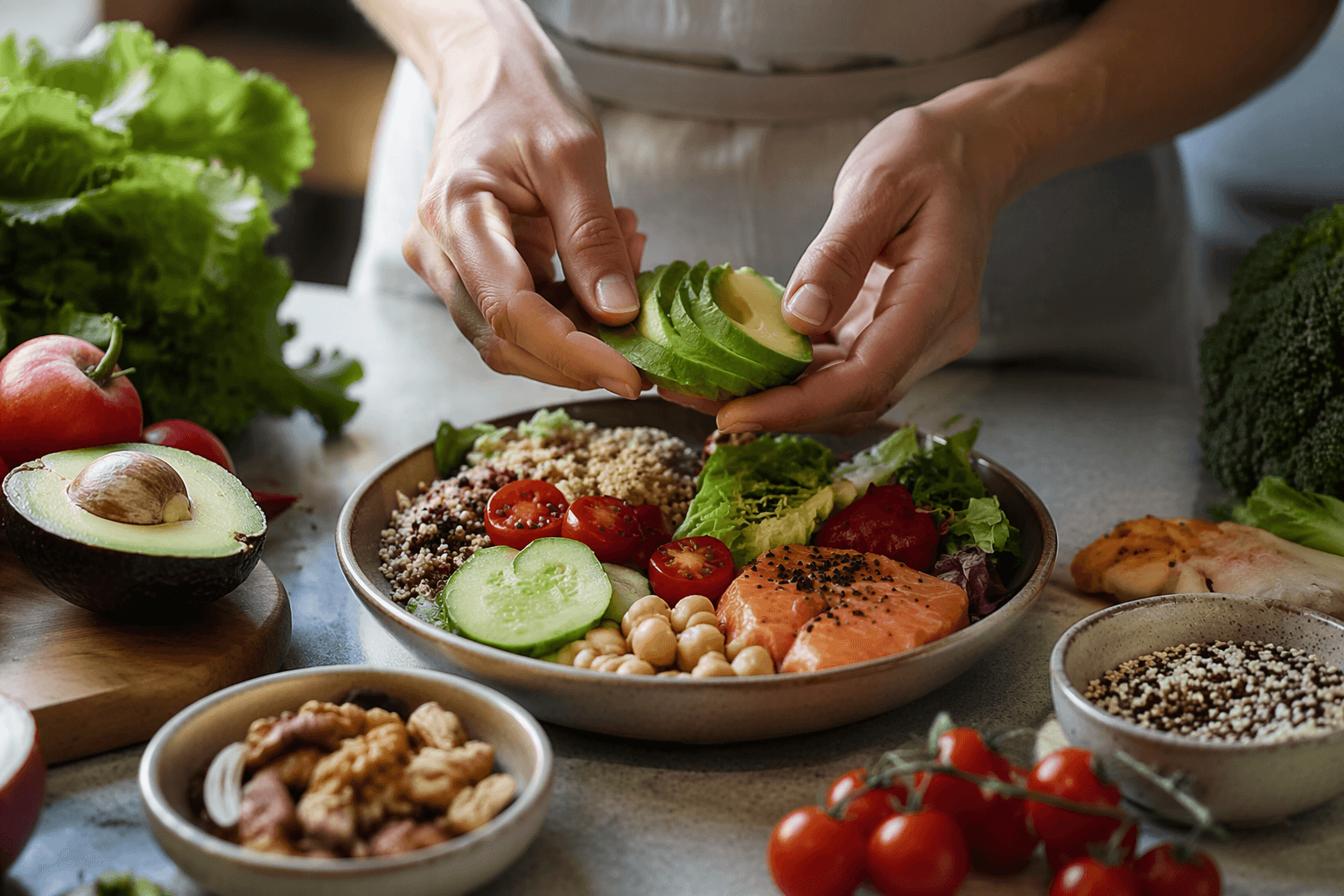
What separated the strongest diets from the weakest was plain enough for keto readers to recognize. The healthier versions emphasized high-quality carbohydrates and plant-based sources of protein and fat, while the worse patterns were heavy on refined carbohydrates and animal proteins and fats. In practice, that is the clean-keto-versus-dirty-keto divide in real life, and the data showed that the shortcut version was the one tied to higher CHD risk and adverse metabolic profiles.
The findings also fit into a long argument that has never really been about carbs versus fat alone. A 2014 Annals of Internal Medicine trial of 148 adults found that a low-carb diet, defined as fewer than 40 grams of carbohydrate a day, produced greater 12-month weight loss than a low-fat diet. But a 2020 JAMA review noted that ketogenic diets are typically about 5% carbohydrate, 75% fat, and 20% protein, and said long-term cardiovascular risk data were still lacking.
That is why the new paper landed so hard with cardiology groups and academic nutrition centers. The American College of Cardiology framed the work as evidence that diet quality outweighs macronutrient composition for CHD risk reduction, and Harvard T.H. Chan School of Public Health highlighted whole grains, fruits, vegetables, nuts, legumes, and unsaturated fats as the protective pieces. For a community that has spent years arguing low-carb versus low-fat, the message was simpler than the feud: healthy food choices carried the benefit, and the dirty versions did not.
Every story on Keto Diet Magazine is assembled by an automated editorial system that works from verified research, official records, and credible reporting, then clears automated accuracy and moderation checks before it goes live. The standards that system follows are set and overseen by the people who run the publication. Read our full editorial policy.
Did this article answer your question?