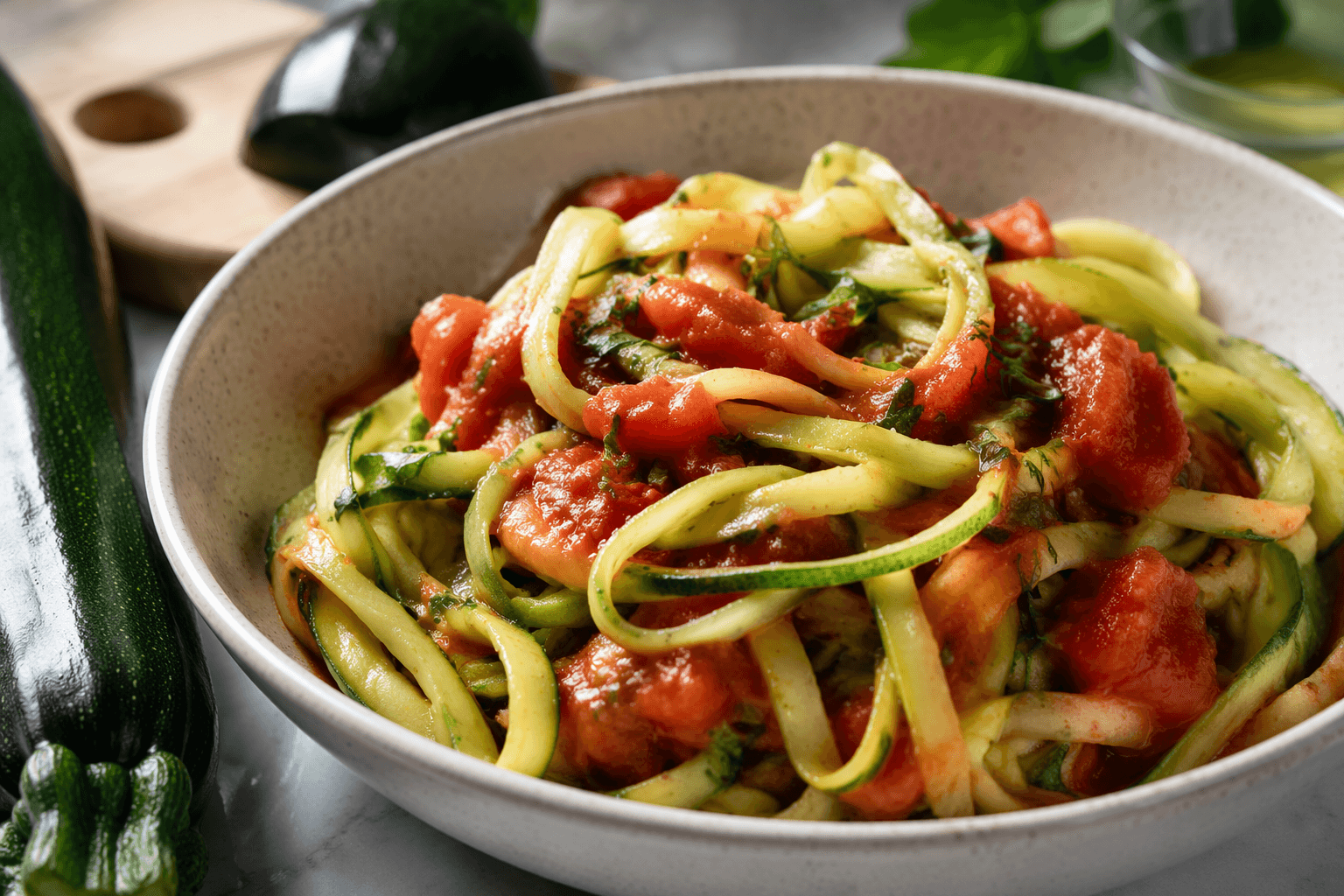
The biggest keto myth is also the simplest one to correct: ketosis does not start because you eat more butter, cream, or fat bombs. It starts when carbohydrate intake drops low enough that your body stops relying on glucose and shifts into burning fat for fuel. Hormone and metabolism expert Dr. Jay Wrigley’s message is landing because it cuts through the social-media version of keto and gets back to the mechanism that actually matters.
That distinction matters for anyone trying to do keto for ketosis, not just for a full plate of added fat. The body’s switch to ketosis is driven mainly by carbohydrate restriction, while fat intake changes the shape of the diet. Those are not the same thing, and mixing them up can turn keto into a license to overeat fat without understanding why ketones are produced in the first place.
What ketosis actually is
Cleveland Clinic describes ketosis as a normal metabolic state in which the body burns fat for energy instead of glucose. It can happen in several settings, including fasting, sleep, exercise, or a keto diet. During ketosis, the body breaks down fats for energy and releases ketones, which are the compounds many keto followers track as proof they are in the right zone.
Healthline puts the trigger point even more plainly: ketosis occurs when carb intake and insulin levels are low. Many people need to eat fewer than 50 grams of carbs per day to get there, and for some, the threshold may be as low as 20 grams. That is why keto works best as a carbohydrate-restriction strategy, not as an excuse to pile on extra dietary fat and hope ketosis shows up on its own.
Why the “high-fat” label can be misleading
The standard keto template is often described as high-fat, moderate-protein, and very low-carb, and Cleveland Clinic gives a typical breakdown of about 70% to 80% fat, 20% protein, and 5% to 10% carbohydrates. That macro split explains how classic keto is structured, but it does not mean fat is the driver of ketosis. The low-carb piece is what forces the shift away from glucose.
Medical News Today describes low-carb, high-fat diets as patterns that reduce carbohydrates while increasing fat and protein, prompting the body to burn stored fat for fuel. That is the real engine behind ketosis. Fat supports the diet’s energy balance and satiety, but carbohydrate restriction is what turns the metabolic switch.
Why protein-forward keto is gaining traction
The post’s emphasis on low-carb, high-protein, moderate-fat eating fits a growing appetite for less extreme versions of keto, especially for midlife eaters who want structure without the heavy-fat caricature. WebMD notes that high-protein, low-carb diets commonly recommend getting 30% to 50% of total calories from protein. That is a meaningful jump from the 20% protein often associated with classic keto.
WebMD also cites the American Heart Association, which recommends 10% to 35% of daily calories from protein. That range helps explain why protein-forward keto can feel more sustainable and more familiar than the ultra-fat-heavy social media version. For many people, the appeal is practical: keep carbs low enough to stay in ketosis, but stop treating fat as the main event.
How the social-media version gets it wrong
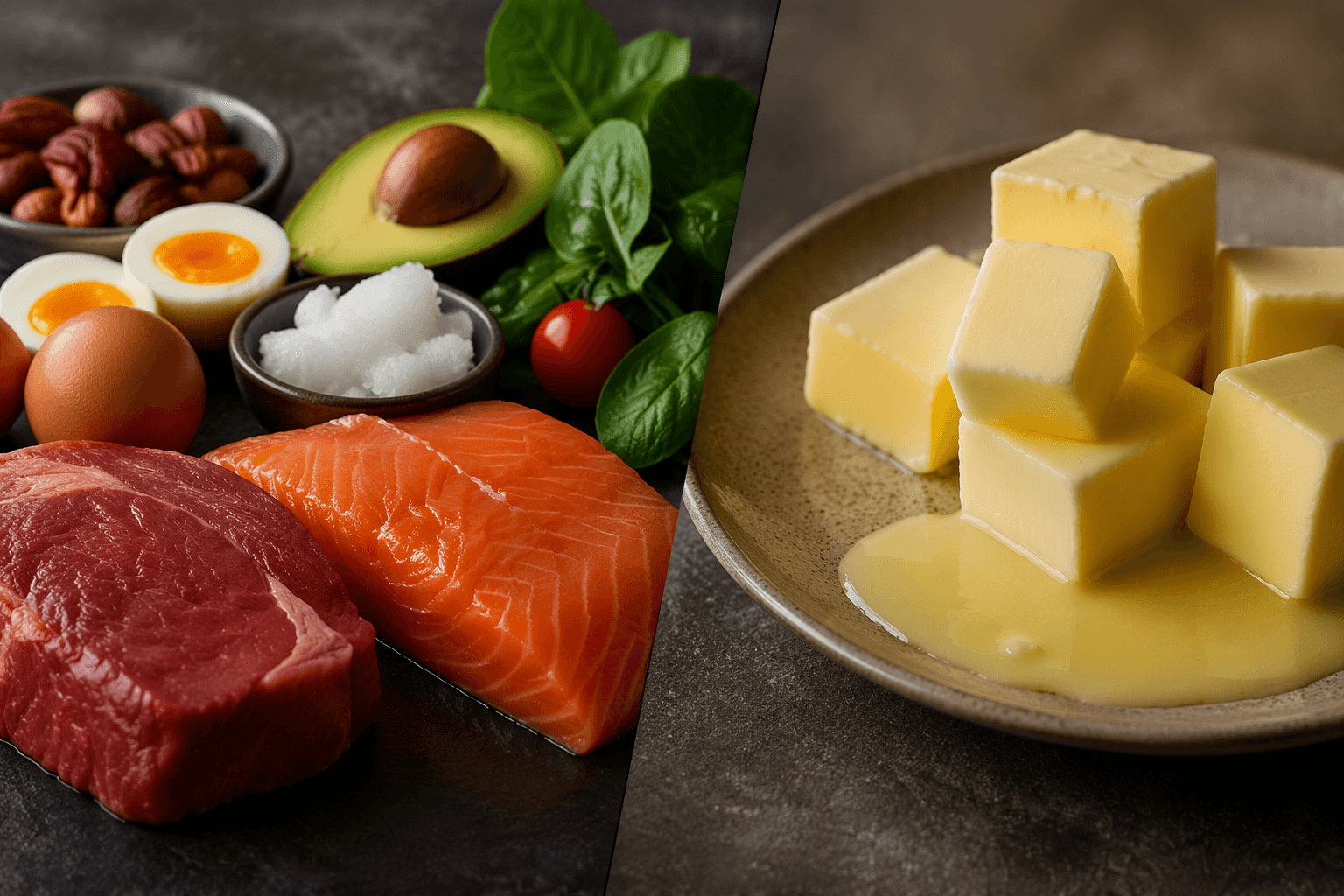
A lot of keto content blurs two different ideas: ketosis for metabolic control, and endless fat for dietary indulgence. The first is about carb restriction and ketone production. The second can become a lifestyle of constant snacking on fat bombs, cream-heavy drinks, and oversized portions that may fit the aesthetic but do not improve the mechanism.
That confusion is exactly why the expert’s message is drawing attention. Followers respond when keto is framed less like an all-fat challenge and more like a metabolic tool: lower carbs, keep protein adequate, and use fat as the remaining fuel source rather than the centerpiece of every meal. In other words, the goal is ketosis, not just more fat on the plate.
What to watch for if you are doing keto
Keto can be popular for weight loss and blood sugar control, but it is not a free pass and it is not harmless for everyone. Cleveland Clinic notes that side effects can include keto breath and constipation, both of which are familiar complaints in the keto community. Those issues often show up when the diet gets pushed too hard, too fast, or too low in fiber.
Mayo Clinic warns that when the body does not have enough insulin, it breaks down fat as fuel and ketones can build up dangerously, leading to diabetic ketoacidosis. That is a critical distinction from nutritional ketosis, which is the controlled state keto dieters are usually aiming for. People with diabetes need to treat that difference seriously, because “more ketones” is not always a better outcome.
The practical takeaway
If your goal is ketosis, the lever is carbs. Keep them low enough, and your body can shift toward fat-burning and ketone production even if you are not loading your meals with extra butter or chasing fat bombs all day. That is the cleanest way to separate keto for ketosis from keto as a social-media spectacle.
The simplest rule is also the most useful one: lower carbs first, keep protein in a sensible range, and let fat play support rather than star billing. That is the version of keto that matches the physiology, not the caricature.
Every story on Keto Diet Magazine is assembled by an automated editorial system that works from verified research, official records, and credible reporting, then clears automated accuracy and moderation checks before it goes live. The standards that system follows are set and overseen by the people who run the publication. Read our full editorial policy.
Know something we missed? Have a correction or additional information?
Submit a Tip