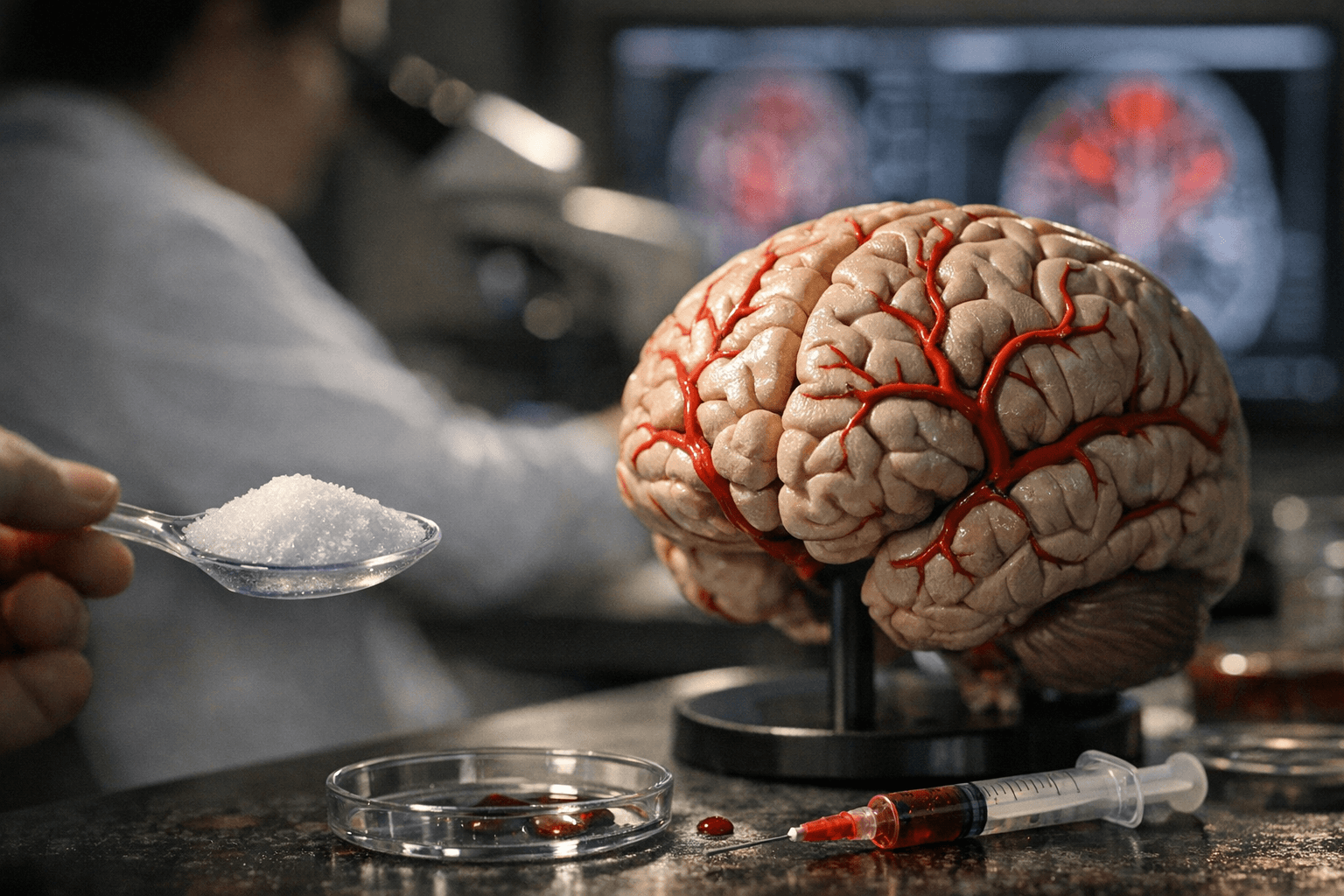
Erythritol, the sugar alcohol tucked into keto protein bars, sugar-free ice cream and drink mixes, just picked up a more troubling profile. In a University of Colorado Boulder study, the sweetener triggered oxidative stress in human brain blood-vessel cells after a single dose-equivalent exposure, along with changes that pointed toward tighter vessels and weaker clot defense.
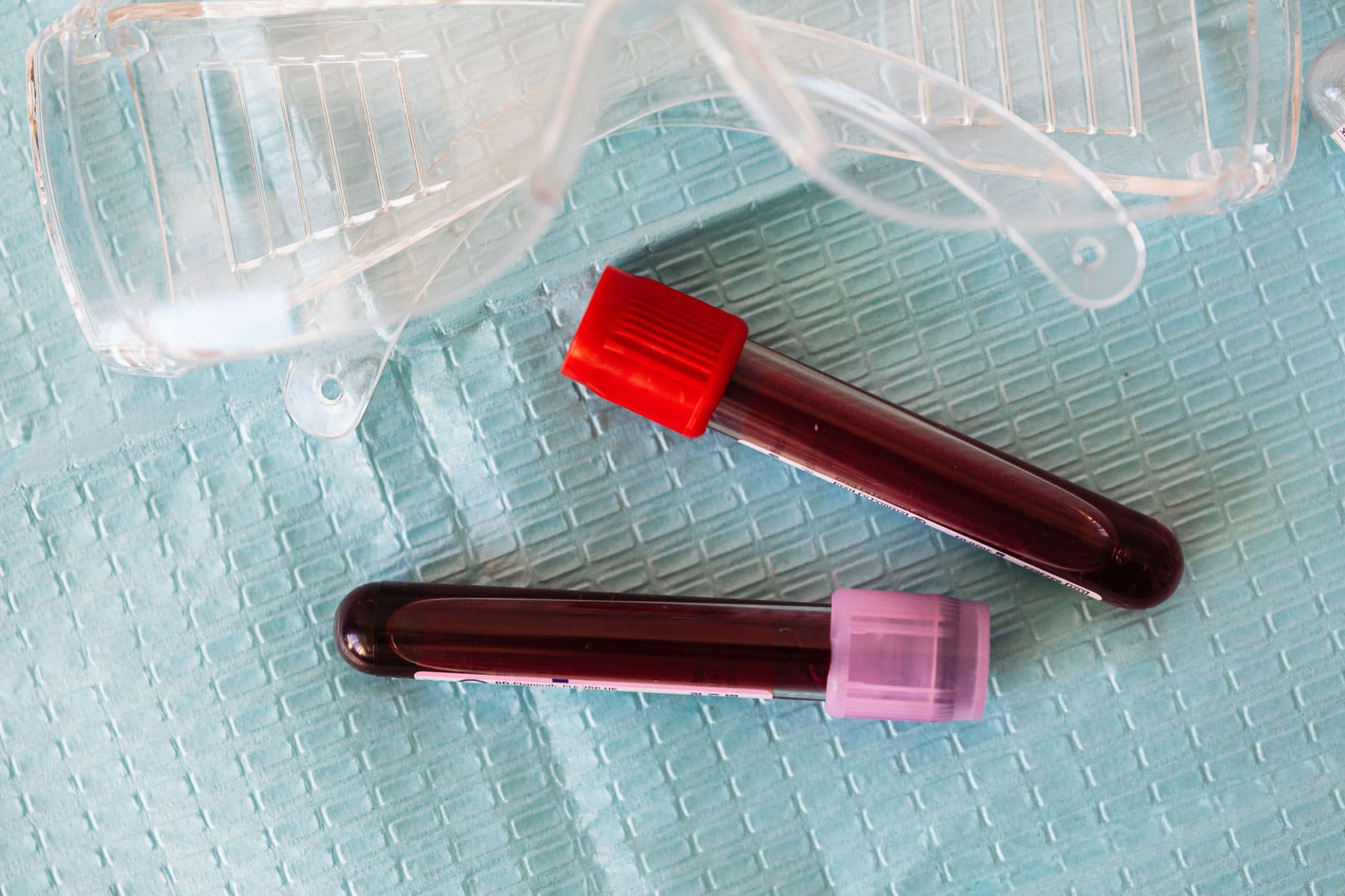
The team, led by Christopher A. DeSouza in CU Boulder’s Integrative Vascular Biology Lab and first author Auburn R. Berry, exposed human cerebral microvascular endothelial cells to 6 mM erythritol for three hours, roughly the amount found in a typical artificially sweetened beverage, about 30 grams. The cells responded with substantially higher reactive oxygen species, about 204 percent versus 105 percent in untreated cells, lower nitric oxide production, higher endothelin-1, a vasoconstrictor, and a blunted release of tissue-type plasminogen activator after thrombin challenge.
That combination matters because it maps onto the biology of ischemic stroke risk. More endothelin-1 and less nitric oxide can push vessels toward constriction instead of relaxation, while weaker t-PA release suggests a less effective fibrinolytic response if a clot starts to form. DeSouza warned that non-nutritive sweeteners “purported to be safe” can still carry negative health consequences. The study was done in cultured cells, not people, so it does not prove that eating a keto bar or drinking a sugar-free soda will cause a stroke, but it does show a plausible mechanism that fits the broader concern.
The Boulder findings landed after earlier human research kept erythritol on the radar. A Cleveland Clinic-led analysis published in Nature Medicine in 2023 followed more than 4,000 people in the United States and Europe and found that higher circulating erythritol levels were tied to a greater risk of major adverse cardiovascular events over about three years, including death, nonfatal heart attack or stroke. The National Institutes of Health later summarized that people in the highest erythritol quartile were about twice as likely to have a cardiovascular event as those in the lowest quartile. In a small exposure study, eight healthy volunteers saw blood erythritol levels jump sharply after an erythritol-sweetened drink and stay elevated for days.
For keto shoppers, the label-reading lesson is blunt. Erythritol was first approved by the U.S. Food and Drug Administration in 2001, and it is widely used because it is about 80 percent as sweet as table sugar, has almost no calories and barely moves insulin. But it sits inside the “sugar alcohol” category and does not have to be listed individually on Nutrition Facts labels. If a product leans hard on that category, especially bars, frozen desserts and flavored drinks, the ingredient panel deserves a closer look. The most realistic swap is a keto product built around a different sweetener, such as stevia, monk fruit or allulose, rather than erythritol.
Every story on Keto Diet Magazine is assembled by an automated editorial system that works from verified research, official records, and credible reporting, then clears automated accuracy and moderation checks before it goes live. The standards that system follows are set and overseen by the people who run the publication. Read our full editorial policy.
Did this article answer your question?