Ketone bodies from keto eating stopped seizure activity quickly in a BYU lab, and Melissa Blotter’s long-range bet is that the same chemistry could someday be delivered as an emergency shot for status epilepticus. That is still early-stage work, but it pushes ketogenic science in a new direction, from a strict daily diet to a possible rescue treatment.
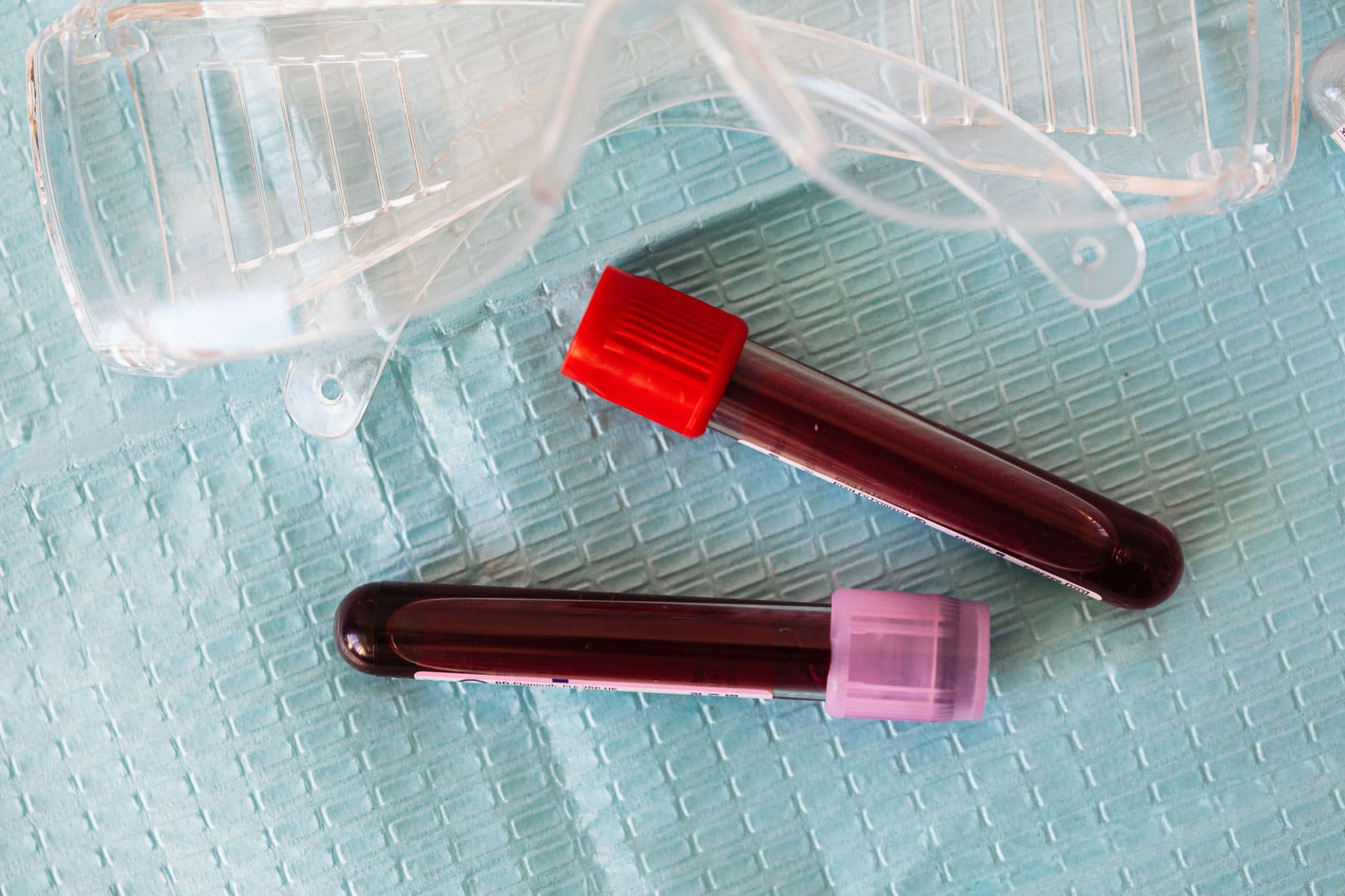
Blotter, a doctoral researcher in Brigham Young University Life Sciences, built her idea around a blunt limitation of ketogenic diet therapy: it can help some people with severe seizure disorders, but it is hard to maintain and it only works if the patient is already in ketosis before the crisis hits. In the lab’s first experiments, slices of neurological tissue sat on a sensor chip while seizure activity was triggered. When ketone bodies were introduced, the electrical storm stopped with impressive speed and efficiency.
That matters because status epilepticus is not a niche problem. A recent review described it as the second most common neurological emergency in adults, and long-term mortality remains high, with case fatality rates reported from 4.6% to 39% depending on the cause and how long the seizure lasts. In that setting, a therapy that could work in real time, without days of diet prep, would be a major shift. Blotter’s vision is an injectable medication that could work like an EpiPen for seizures, something a caregiver or clinician could reach for when a seizure will not stop.
The science has deep roots. Ketogenic diet therapy for epilepsy has been discussed since at least 400 BC, and modern ketogenic diets for seizures emerged in the 1920s. Interest faded after antiseizure drugs took over, then came back in the 1990s as diet therapy regained clinical traction. Johns Hopkins says it has nearly 100 years of experience with ketogenic therapy, has enrolled more than 1,500 children in its program, and developed the modified Atkins diet in 2002 for adolescents and adults.
Even now, ICU teams still wrestle with how to use keto therapy in the hardest cases. A 2025 standard operating procedure says ketogenic diets may be considered for refractory status epilepticus after more than 72 hours of adequate treatment, or for super-refractory cases early in ICU care, ideally within 24 hours. Classical protocols usually start at a 4:1 lipid-to-non-lipid ratio and require metabolic screening and close monitoring. A 2023 survey found clinicians often held back because ketosis is hard to achieve, expertise is limited, resources are thin, and dietitian support is not always available.
That gap is exactly why exogenous ketones are drawing attention. ClinicalTrials.gov lists a recruiting study in Egypt testing ketone esters in 50 children with refractory generalized convulsive status epilepticus, and a January 2026 University of Virginia report linked β-hydroxybutyrate to seizure reduction through the HCAR2 receptor. Blotter’s work fits that pipeline: keep the metabolic logic of keto, strip away the meal-plan burden, and turn a diet concept into a fast-acting neurological tool.
Every story on Keto Diet Magazine is assembled by an automated editorial system that works from verified research, official records, and credible reporting, then clears automated accuracy and moderation checks before it goes live. The standards that system follows are set and overseen by the people who run the publication. Read our full editorial policy.
Did this article answer your question?