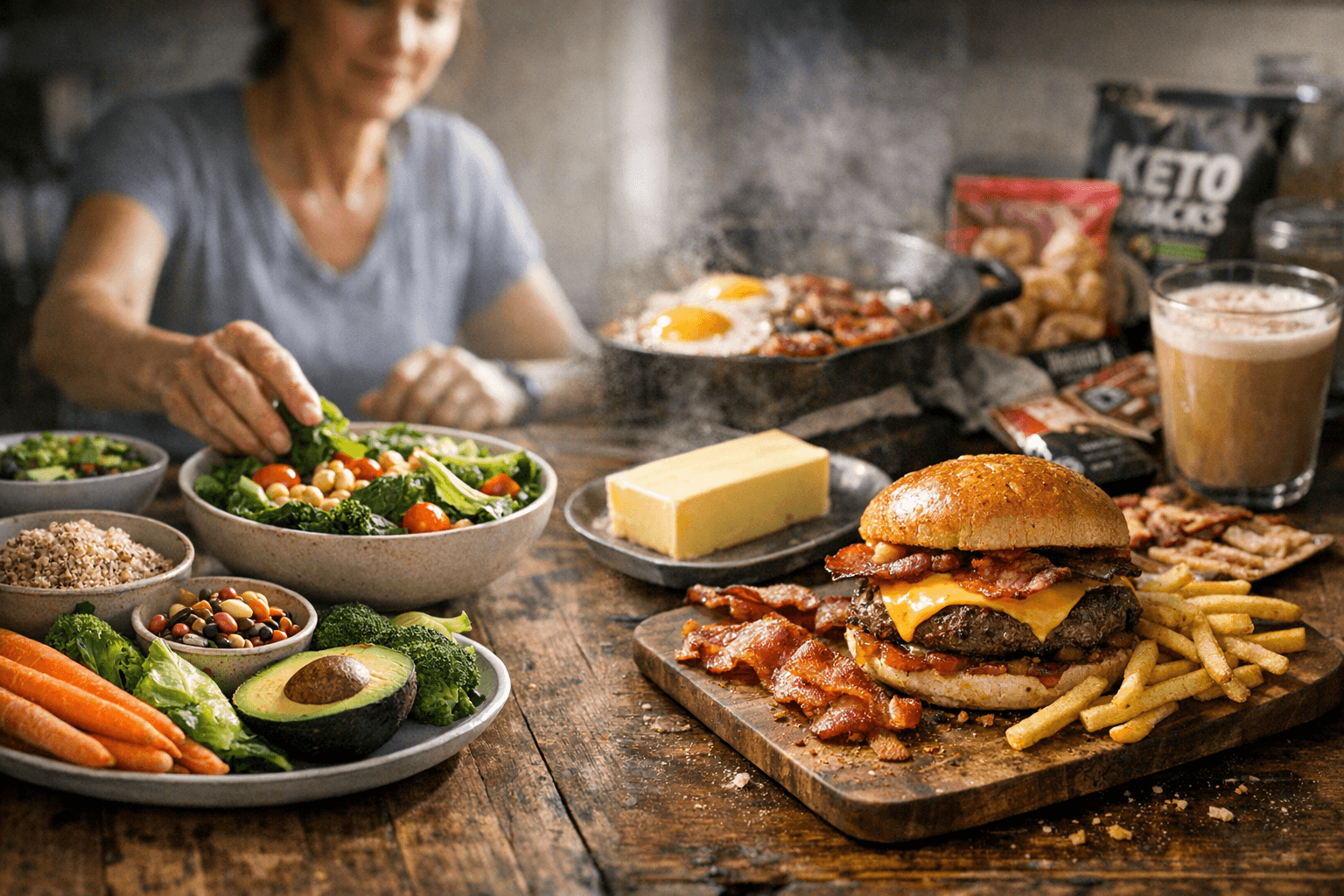
The American Heart Association’s updated dietary guidance landed like a direct compatibility test for the mainstream version of keto, the bacon-wrapped, cheese-forward, “fat first” playbook. The guidance, released March 31, 2026 as a Scientific Statement and repackaged across the April 6-8 news cycle, framed heart health around nine food-based steps and a clear tilt toward plant-forward patterns, with less enthusiasm for very-low-carb approaches built on saturated animal fat.
The AHA put a big, ugly reason on the table: more than half of U.S. adults and about 60% of U.S. children have unhealthy diets, a backdrop it tied to high blood pressure and obesity. Alice H. Lichtenstein, the volunteer chair of the writing committee, was identified by the AHA as a senior scientist leading the Diet & Chronic Disease Prevention Directive at the Jean Mayer USDA Human Nutrition Research Center on Aging at Tufts University in Boston, Massachusetts.
Read through a keto lens, the first step, matching energy intake to needs for a healthy weight, is where “keto calories don’t count” quietly dies. Keto can crush hunger, but it can also make it easy to free-pour fat; the practical move is prioritizing protein at meals and treating added fats as measured tools, not a default garnish. The vegetables-and-fruit step actually fits cleanly if you build plates around non-starchy vegetables and use fruit more like a garnish, berries instead of “keto dessert” missions. The whole-grains step is the first real collision: typical keto avoids grains entirely, so meeting the intent usually means either loosening carbs enough to include true whole grains in small portions or admitting you are substituting the spirit of the rule, fiber and minimally refined carbs, with chia, flax, and piles of fibrous vegetables.
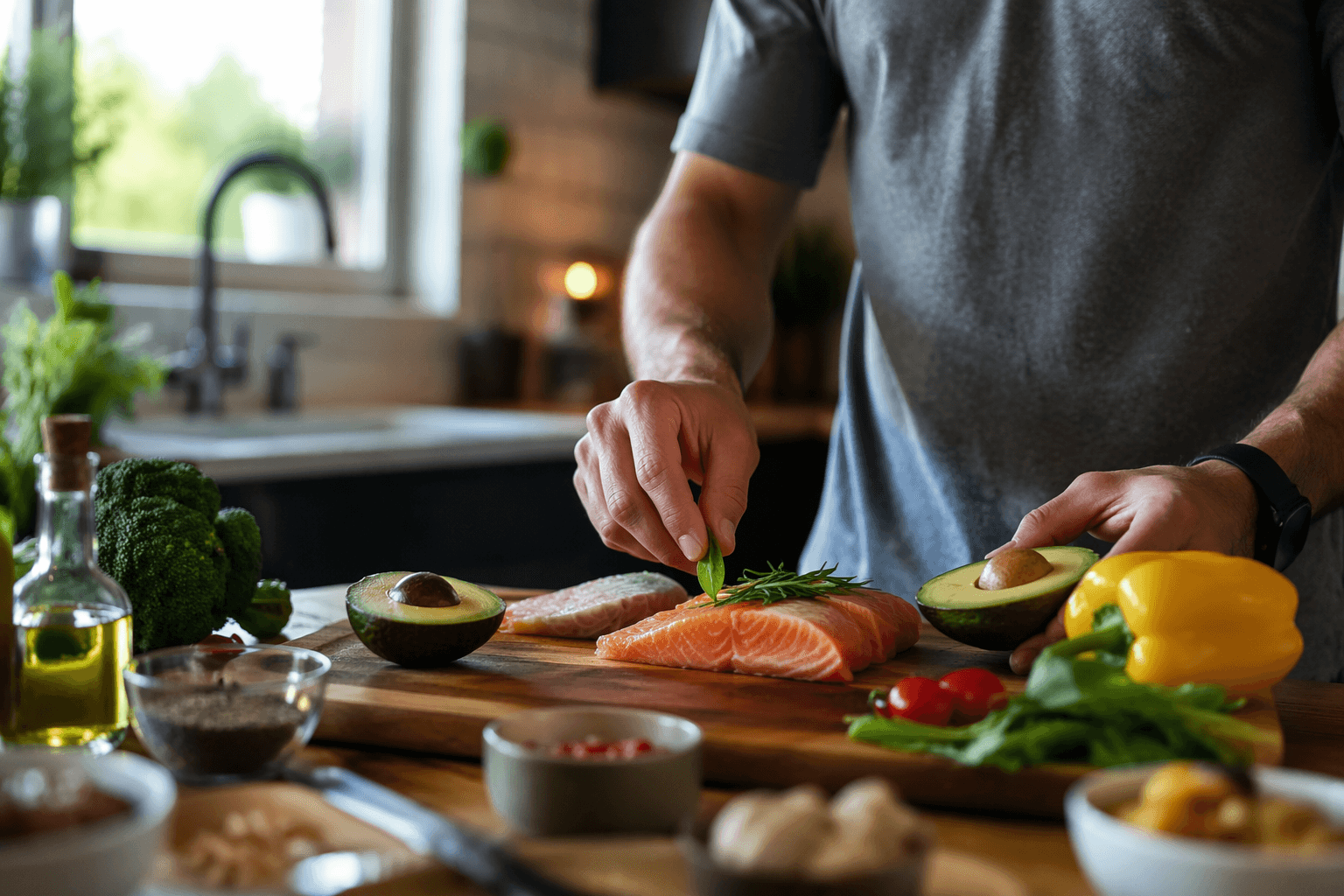
Protein guidance is a second pressure point because it emphasizes plant proteins and fish. Keto can meet that intent by rotating in salmon, sardines, trout, tofu, tempeh, and nuts, and by demoting processed meats from “staple” to “sometimes.” The fats step is the loudest: the AHA’s consumer guidance still recommends limiting saturated fat to less than 6% of total calories, which puts butter, heavy cream, cheese, and fatty red meat in a smaller box than many keto macros allow. I have found the easiest fix is swapping in olive oil, avocado oil, nuts, seeds, and more fish, then treating butter as flavor, not fuel.
The guidance also tells you to minimize ultra-processed foods, language that lines up with the AHA Science Advisory in Circulation titled “Ultrtraprocessed Foods and Their Association With Cardiometabolic Health: Evidence, Gaps, and Opportunities.” In practice, that is a shot across the bow at the “keto” aisle: bars, shakes, packaged cookies, and fake-bread staples that keep carbs low while turning your daily diet into an ingredient list. Added sugars is the easy win for most keto patterns, but sodium is not; keto culture often normalizes aggressive salting, and the AHA’s ninth-step package explicitly calls for lowering sodium intake, which pushes you toward fresher foods and away from salty cured meats and convenience snacks.
Alcohol is another spot where keto’s “low-carb cocktails” mindset runs into a firm AHA line. The AHA’s June 26, 2025 summary on alcohol and cardiovascular disease was blunt: “if you currently don’t drink alcohol, don’t start.” The 2026 guidance carried that forward, also advising limits for people who already drink.
This statement was positioned as an update to the AHA’s 2021 dietary guidance, not a total reset, and it arrived after the U.S. government released the 2025-2030 Dietary Guidelines for Americans on January 7, 2026, prompting an AHA response that flagged sodium and saturated fat concerns and reiterated a preference for low-fat or fat-free dairy over whole-fat. For keto followers, the hardest AHA steps to satisfy without changing typical food choices are the saturated-fat ceiling, the whole-grains preference, and the sodium and ultra-processed clampdown; everything else is mostly a matter of picking a “real-food keto” lane and sticking to it.
This article was produced by Prism’s automated news system from verified source data, official records, and press releases, then run through automated quality and moderation checks before publishing. The system is built and supervised by the people who set the standards it runs under. Read our full AI policy.
Know something we missed? Have a correction or additional information?
Submit a Tip